Photography by Carles Medina | Video by Yentl Touboul
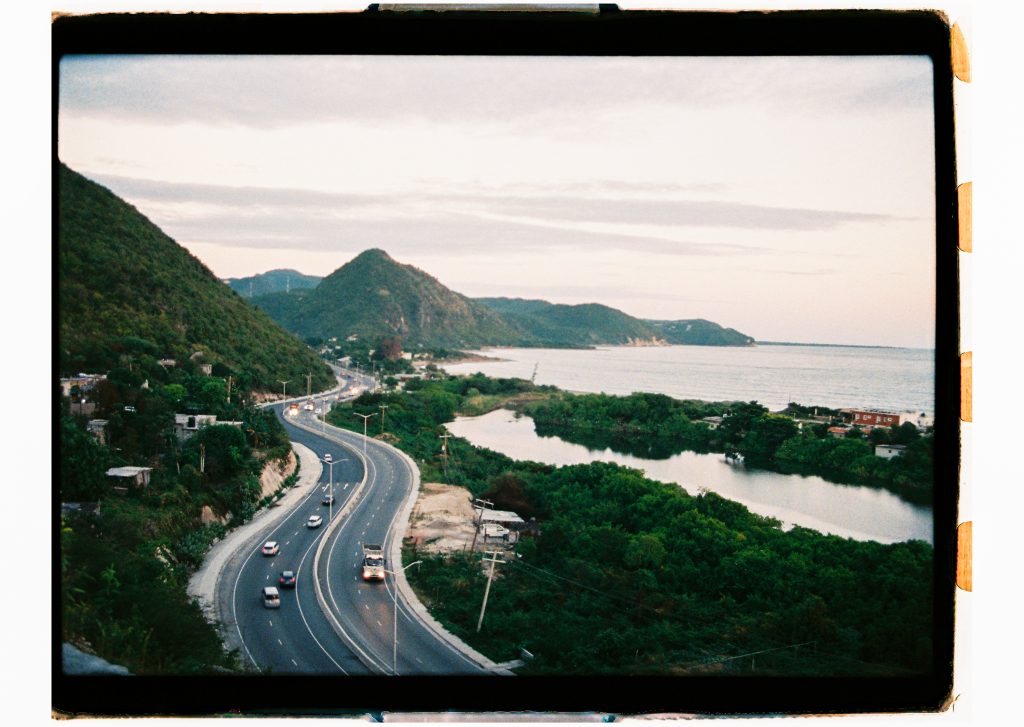
Far from Jamaica’s cushty all-inclusive holiday resorts on the west side of the island, we find ourselves on assignment in Bull Bay, a vibrant coastal town on the south side, roughly eight miles east of the capital, Kingston. A world away from the tourism bubble, Bull Bay was originally named after the large population of cattle that once roamed the area freely. Today, though, it’s a capital in its own right — that of surfing on the island. The first waves were supposedly ridden a little further east, in a place called Boston Bay, Portland, but Bull Bay remains the epicentre of this still somewhat uncharted sport here today.
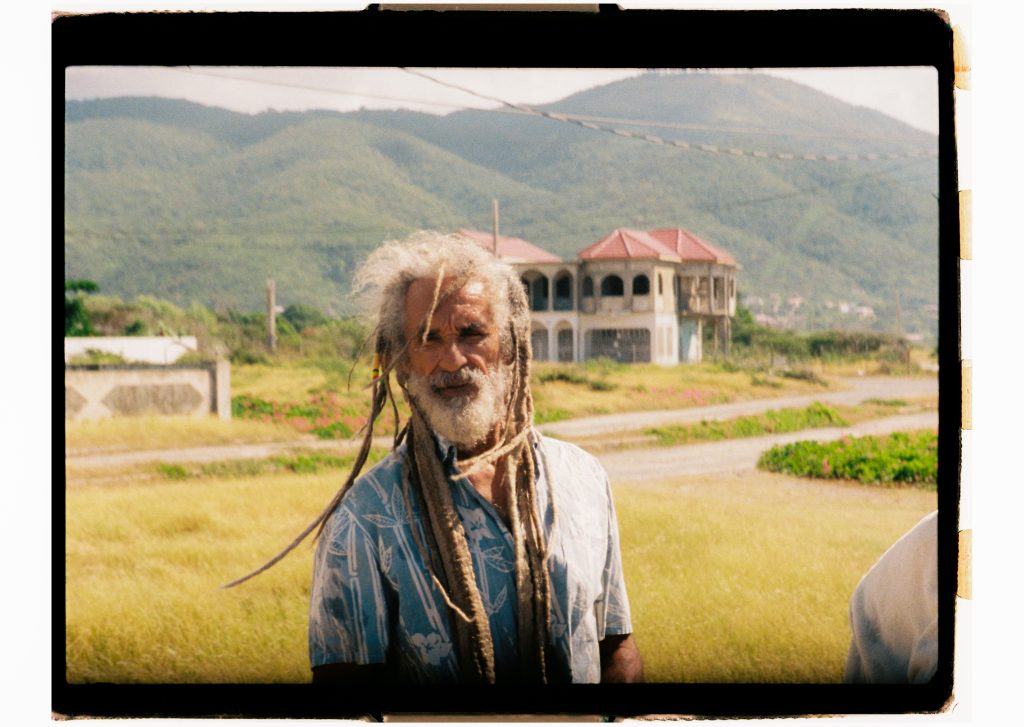
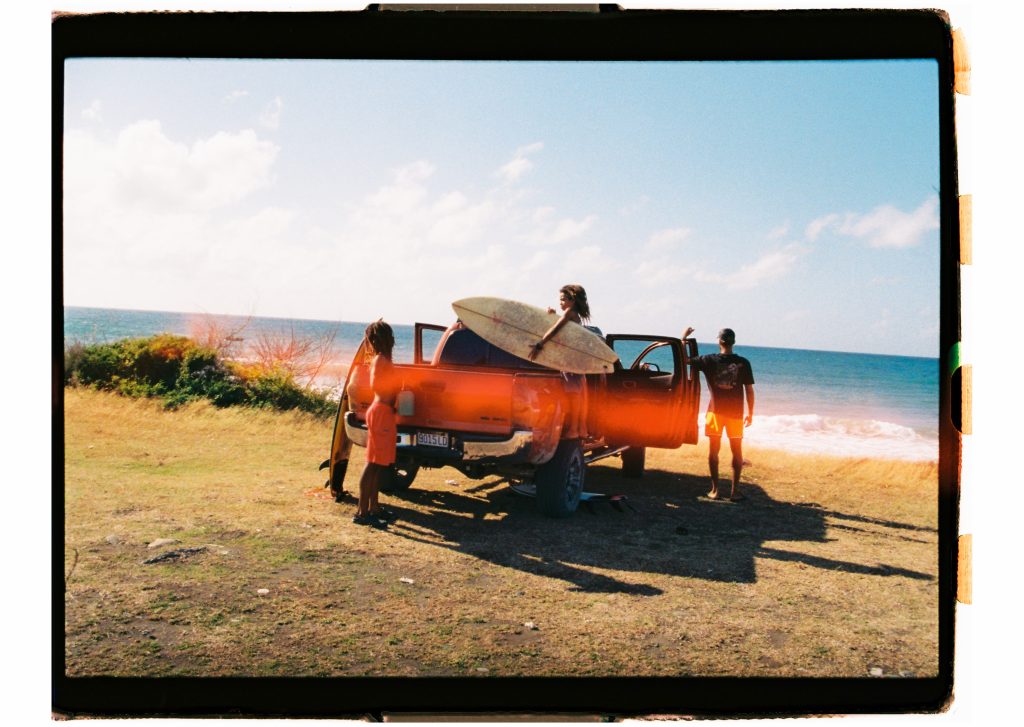
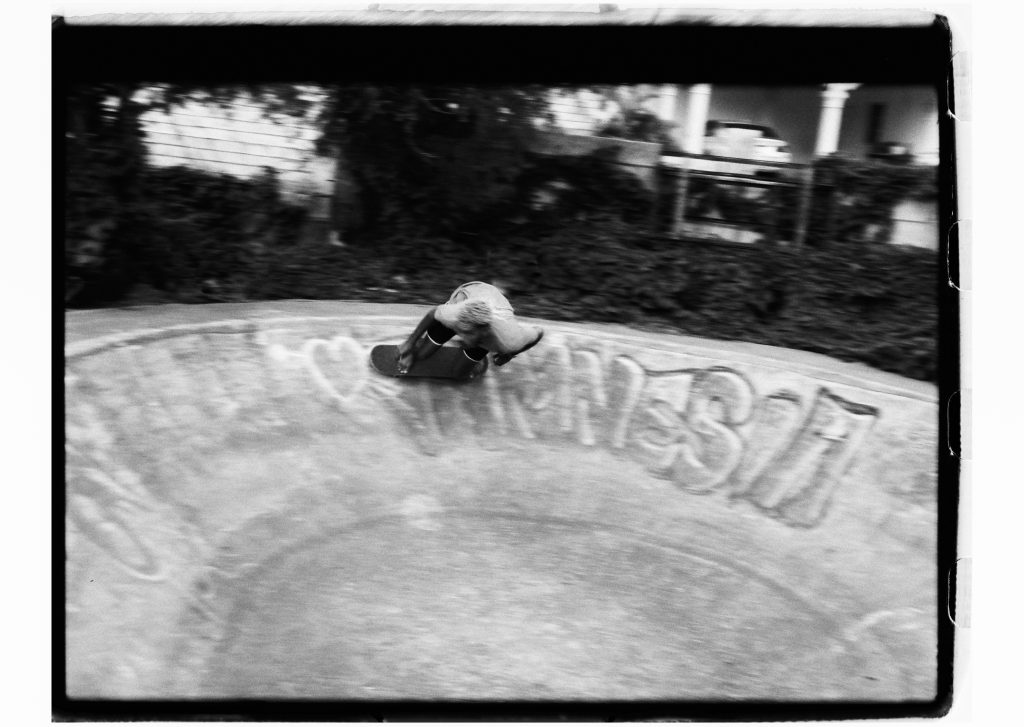
At the heart of Jamaica’s surf scene lies Jamnesia, a notorious hub which is home to the legendary Wilmot family, and is the daily hangout for surfers, musicians, and skateboarders alike. Billy Mystic, its founding father, is the one responsible for putting Jamaican surfing on the map, raising the first generation of Jamaica’s pro surfers, as well as helping organise and run today’s national contest scene, with much more going on behind closed doors. To this day, anybody can post up and stay at Jamnesia. Stick around long enough, and you’ll be tossed into the back of Billy’s Defender pick-up truck – a gift from Rohan Marley – to seek out that day’s best conditions. Bob Marley Beach is also located in Bull Bay, a mere few metres away, named after the national hero, as he once frequented that stretch of sand to escape the city, play football, and connect with local Rastafarians.
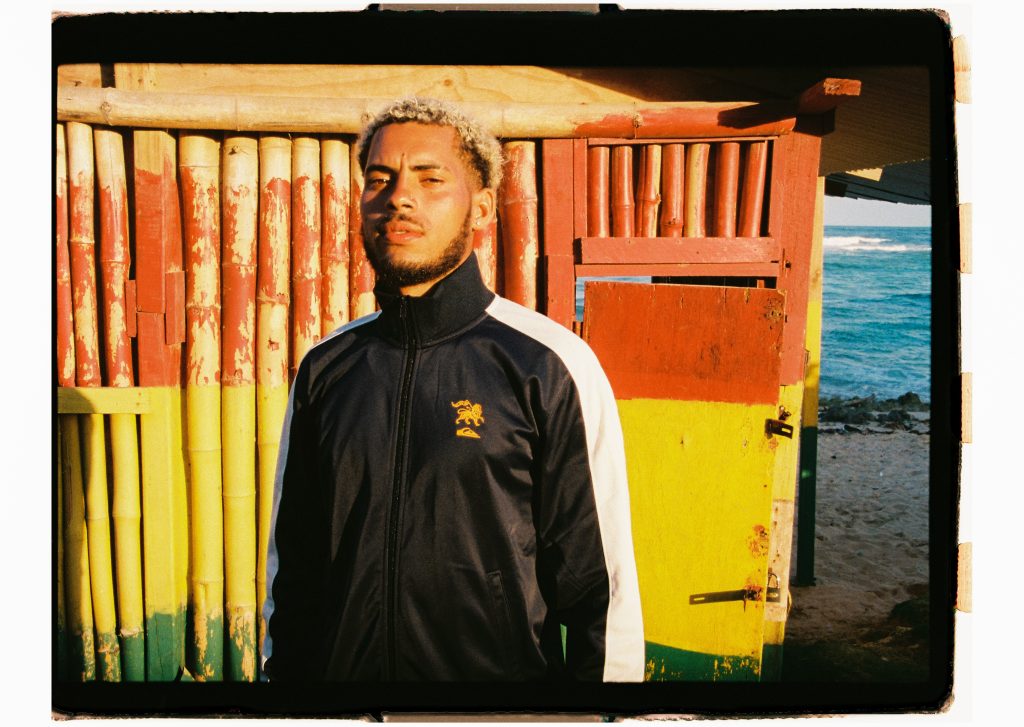
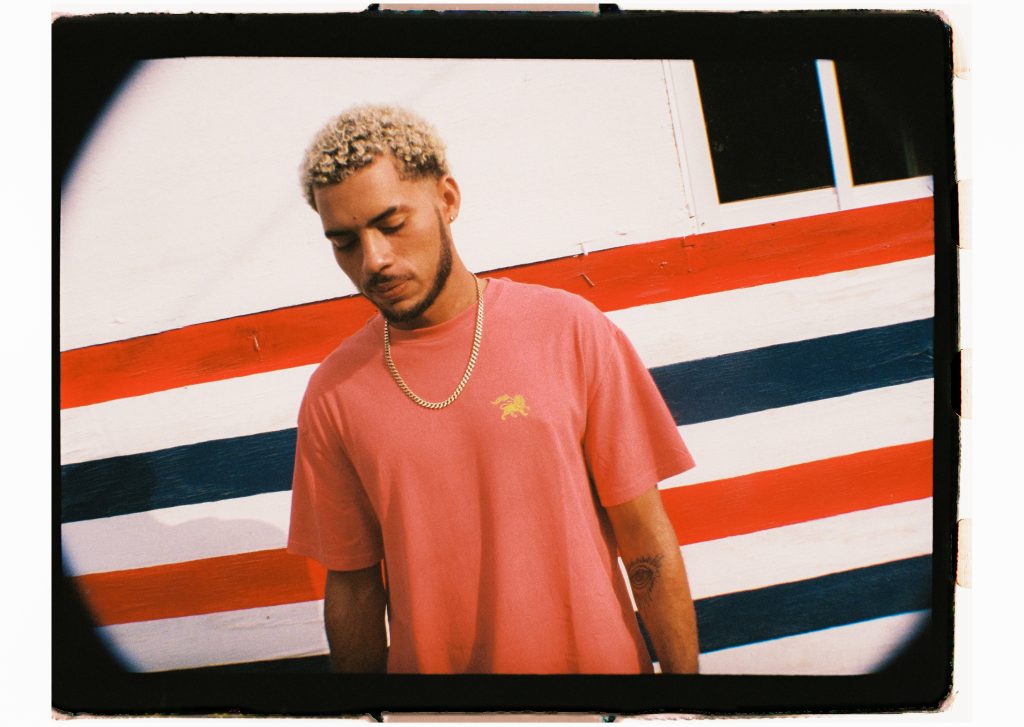
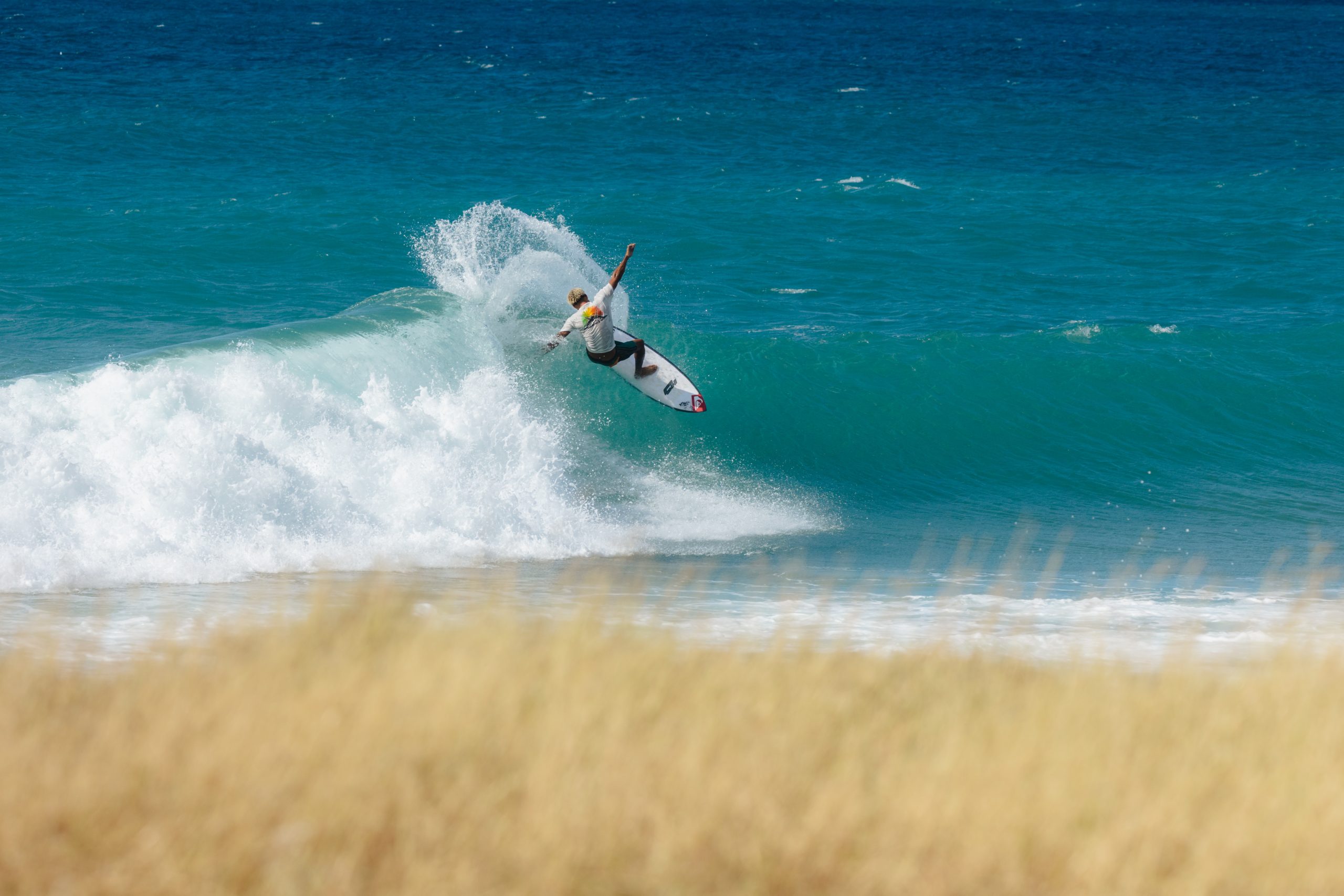
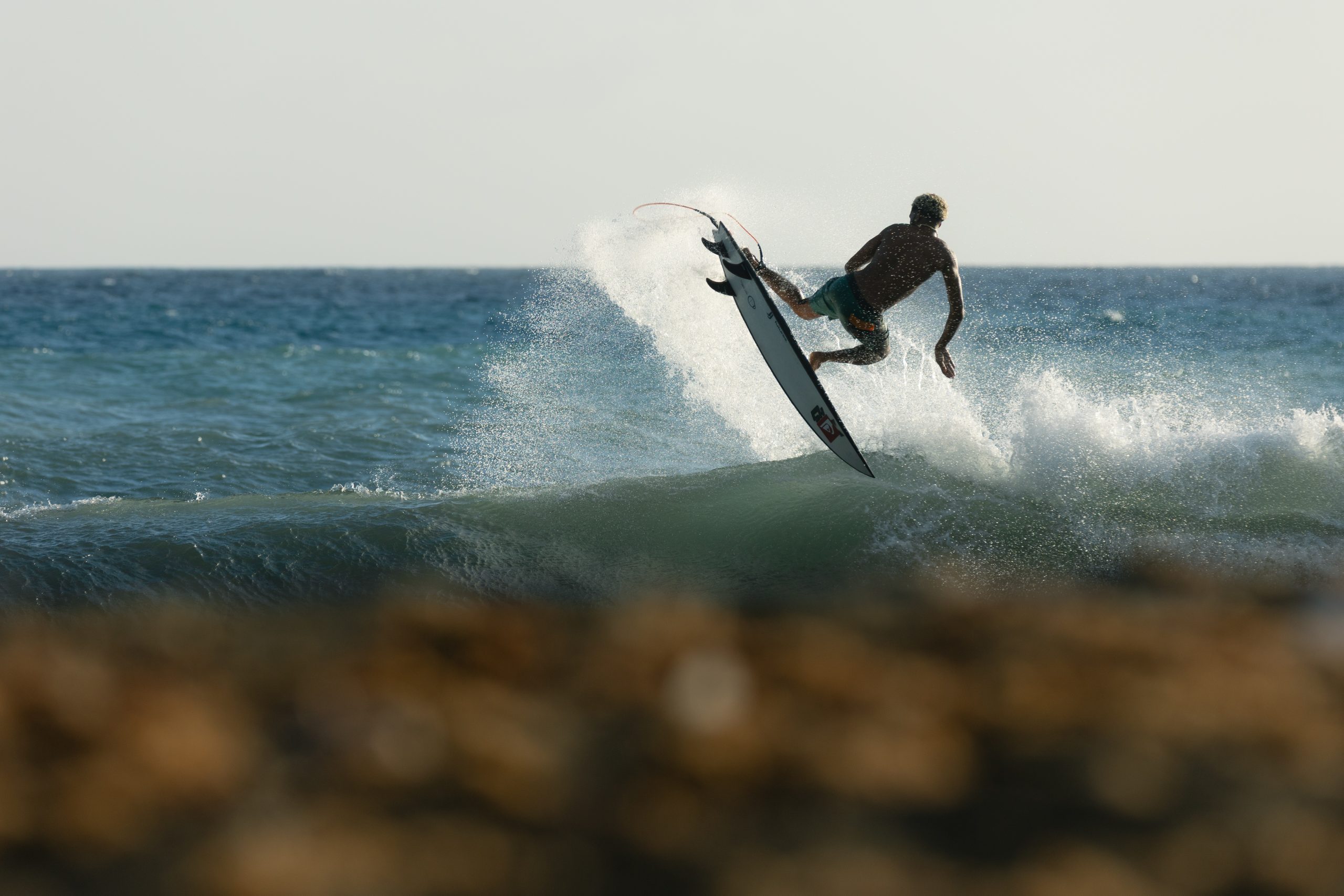
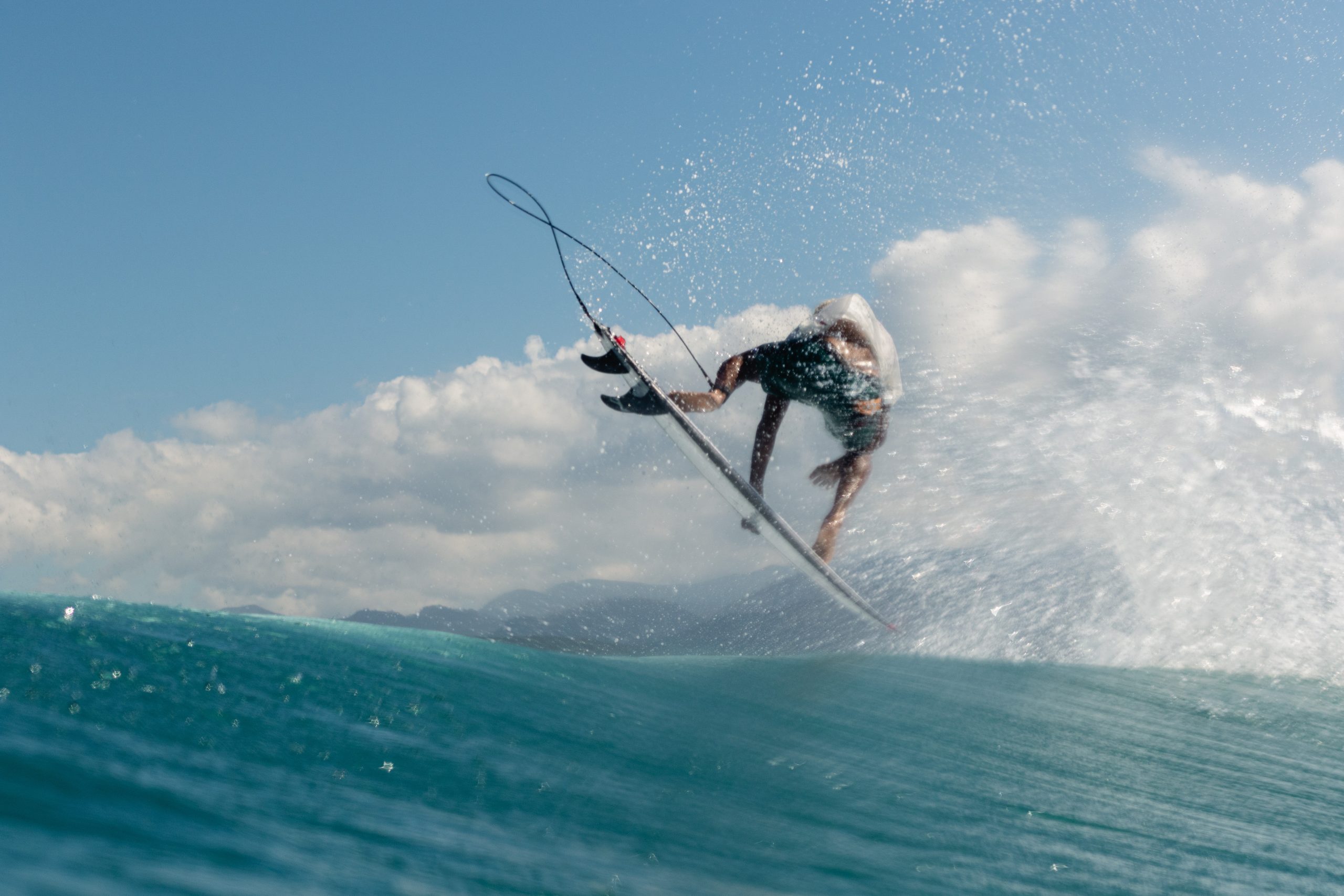
Our muse whilst here, Mr. Beckford, nicknamed Shama, alias the Superman, jokingly tells us how he and his friends were messing around with social media handles when they were younger and now it’s stuck for life. Shama’s a tall, exceedingly handsome young man, born and raised here on the island, and one of the first and only people from Jamaica to become professional in his field. It’s thanks to a shiny new sticker on the nose of his board that we’ve been shipped out to shadow and document the country’s most prolific surfer. A distinction which sounds modest until you consider what it required to achieve what he has: there are no surf coaches in Jamaica, no junior circuits, no sponsors scouting the lineup. There’s not even a single surf shop on the island to this day. But he’s managed to make it his full-time gig through commitment and hard work, not to mention the years spent hustling in the industry’s capitals: Florida and Los Angeles, often with barely a cent to his name.
While most athletes from small nations tend to relocate towards the infrastructure that helps sustain careers, Shama’s remained rooted in the same community that brought him up. He provides for his family and is a man of the people who continuously shares what he gets with those around him. It would be impossible not to notice the surfboards, trunks, and everything else needed to partake, donned by locals all around here from the brands that hook Shama up. He’s also been the backbone of the skate scene in town, building a local DIY from the ground up, and other success stories have rolled off the back of it, including the construction of a world-class local skate park, free for kids. Free for everyone. And with all this going on he somehow still finds time to record music under the same name in a studio he set up in his bedroom. His ambitions were never only personal, and there’s nowhere in the world he’d rather be than at his waterfront beach home living with his mum, five sisters and brother.
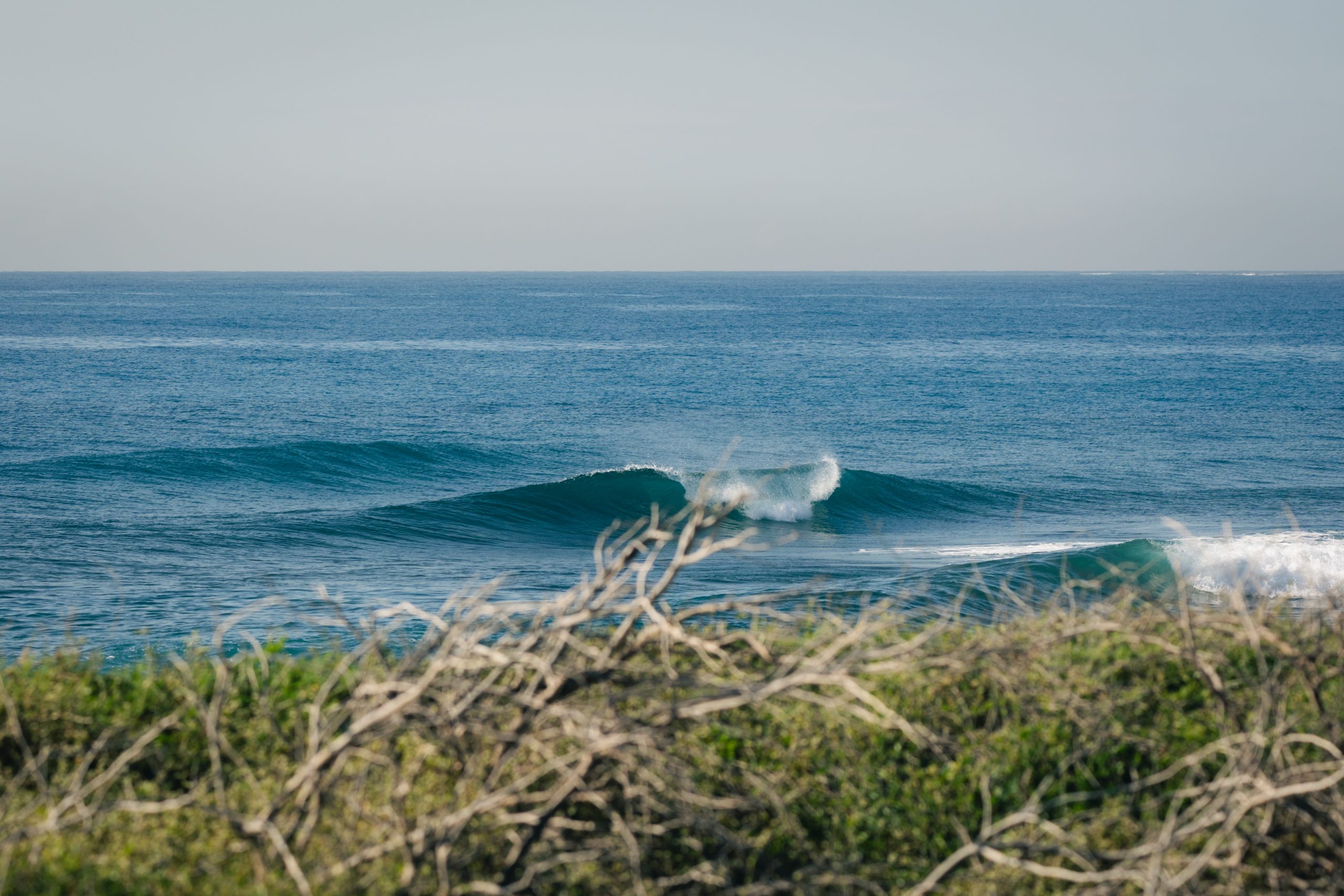
Wave-wise, we knew Jamaica’s renowned for being fickle. We were continuously told the charts here are impossible to read, and the forecasts shown are invariably incorrect. And they weren’t wrong. But despite chasing our tails daily, we left the island content with what we got, with many plans to return. Beyond the entirely empty lineups wherever we went and the friendly locals, personal highlights included Red Stripe for breakfast, lunch, and dinner. Oh, and tonic wine mixed with Campari to see us home.
 How would you describe Bull Bay to someone who’s never been, and what does it represent for you?
Bull Bay is on the southeast coast of Jamaica, just outside of Kingston. I’d describe it as a very laid-back, talent-filled, tranquil environment by the beach, home to a lot of unique characters and good stories. It still feels like authentic Jamaica, but it’s close enough to feel connected to the new. It’s the perfect balance between progressive and rooted in the culture. A laid-back beach town with a lot of friendly and cool characters, right on the southeast coast.
Can you tell us about how you got into surfing?
When I moved to Bull Bay, I was probably four years old, and my older sisters were exploring the neighborhood when they met the Wilmot family, one of the only families surfing at the time. Being the youngest, I’d always tag along to the beach. After a while, Ini took me out surfing. I was probably five when I caught my first wave. Within a year of moving there I was introduced to surfing, and as surfers know, it’s really important to start young: there’s so much to learn, and you never really stop learning. There’s always room for improvement, different angles, new approaches.
Can you talk about Billy Mystic and your relationship with him?
Billy has been a hugely important figure in Jamaican surfing since its inception. There weren’t many people surfing when Billy got into it, and him teaching his kids really encouraged a lot of people to start. I’m a direct result of his influence: if he wasn’t teaching his kids, I wouldn’t have learned. That’s how surfing goes. It’s infectious. Once you start, you want to get other people involved, because it’s such a unique life experience. Billy did a lot for surfing over the years. Those early trips overseas to compete, to see new waves and experience new cultures, and all of that was a product of his work and his vision. It feels good to now be in a position where I can continue that same motion: building the sport in Jamaica, inspiring kids, and embodying that same vibe and energy it started with.
Can you tell us about the surf scene in Jamaica right now?
The surf scene is in a good place. There are a lot of passionate young kids coming into it. There could be more, but culturally, Jamaicans don’t really have a relationship with the sea: a lot of people can’t swim, so that’s one of the major hurdles when introducing the sport. The ocean is often seen as dangerous. But right now, it’s booming, and what’s unique is how community-driven it is. Because there aren’t huge crowds, when you go surfing, you’re calling people, sharing waves. That’s the culture. I’ve been to so many places where there’s serious localism: bad looks, “you can’t surf here” energy. You won’t find that in Jamaica. As far back as I can remember, we always wanted more people to surf with. More the merrier. Maybe that changes as the sport grows, but I find it hard to imagine, since we have so many waves, and we just love sharing the experience.
Why do you think Bull Bay has such a concentration of creative people: surfing, skating, music?
Jamaica as a whole is an incredibly diverse country: track and field, football, cricket, music. We have such a big influence across so many different areas, and Bull Bay is no different. It just happens to be the home of surfing. Music plays into a lot of what happens on the island, and surfing is no exception. A lot of the surfers are musicians; most of us dabble. From Ivah to Billy to his kids to me, we all have a strong relationship with music. I feel like that same flow, that free approach we take to surfing is the same approach we take to music. It’s freedom of expression. We look at both disciplines the same way. Bull Bay is a little piece of paradise in the midst of a lot of chaos, and when you come here you feel it. It’s almost like a safe haven.
Jamaica is often romanticised abroad: beaches, music, rum, tourism. What aspects of life here tend to be overlooked or misunderstood?
That’s a hard one, because I think the cultural aspect of Jamaica is genuinely what’s appealing to foreigners, and rightly so. People who find Jamaica interesting are trying to get as close as possible to that real, authentic Jamaican way of life, and it’s easy to find, because Jamaicans are some of the most authentic people you’ll ever meet. The laid-back lifestyle, the kindness, the charisma: Jamaicans are very proud of where they come from, and when you mix that with the island ease and the more open relationship with marijuana and nature, you get something that feels genuinely free-flowing compared to the rigid rules of first-world countries. That’s what people romanticise: that easy-going, “no problem” spirit. And honestly, it’s not wrong. We don’t really stress over much. If something doesn’t work out, so be it.
Surfing isn’t the usual sport in Jamaica, and most opportunities are based overseas. How do you remain focused when geographic distance is a barrier?
From the moment I started surfing, I always wanted to be a professional surfer. Looking through surf magazines, watching Loose Change on VCR, and I wanted it. But the reality was there had never been a professional surfer from Jamaica. The sport isn’t recognised locally. To this day, there’s not a single surf shop on the island. As a young kid, the trajectory is hazy. If you’re born in California or Australia, there’s a clear path: the groms circuit, juniors, sponsors showing interest when you’re nine or ten. In Jamaica there are no coaches, no guidance, no blueprint. You just know you love it and you’re going to dedicate everything to it. At one point I thought Florida was the answer. Then I realised it was California. But thinking about where to stay, who to meet, what the plan was, and it was so hard to make that plan when nobody had done it before me. There was no blueprint.
When I went to California for the first time I was going out on a limb. I went to Encinitas for a pro-am event, just a random one. I was nineteen. By that age most surfers pursuing a career were already established. I was just getting into the scene, networking. But being a product of Jamaica, growing up without the direct influence of surfers before me, was actually a plus. I wasn’t emulating anybody’s style. We pride ourselves on being different, on having something uniquely our own. Going out there, I think a big part of why it worked was because people could see my approach was coming from an organic place. That was the bridge.
What was it like growing up with so little outside surf influence: being so isolated from the wider surf world?
When I was a grom, the outside influence was minimal. The most we had was some magazines, or if people travelled to Jamaica, and that was the only time you’d really see a different kind of surfing. Not many people in the surf world were travelling here at the time, so the influence was sparse. A few cassettes, some VCR tapes, not many of those even, just a few we’d watch on repeat. We were more so feeding off each other. People like Ica, who was one of the first to start travelling, would come back and you’d see the outside influence on his surfing.
Tourists would come through and you’d watch their approach and feel inspired. But a large part of it was just us figuring it out. I surfed so much by myself. Straight home from school before homework, straight to the beach, surf until night. Just falling in love with it. The Momentum videos, Loose Change: those were really some of the only outside influences. Rob Machado was my surfer. Ivor would say Kalani Robb. But we weren’t seeing it in real life, so we had an idea of what that surfing looked like without being truly shaped by it. I’m grateful for that. It allowed us to develop our own styles, our own approaches.
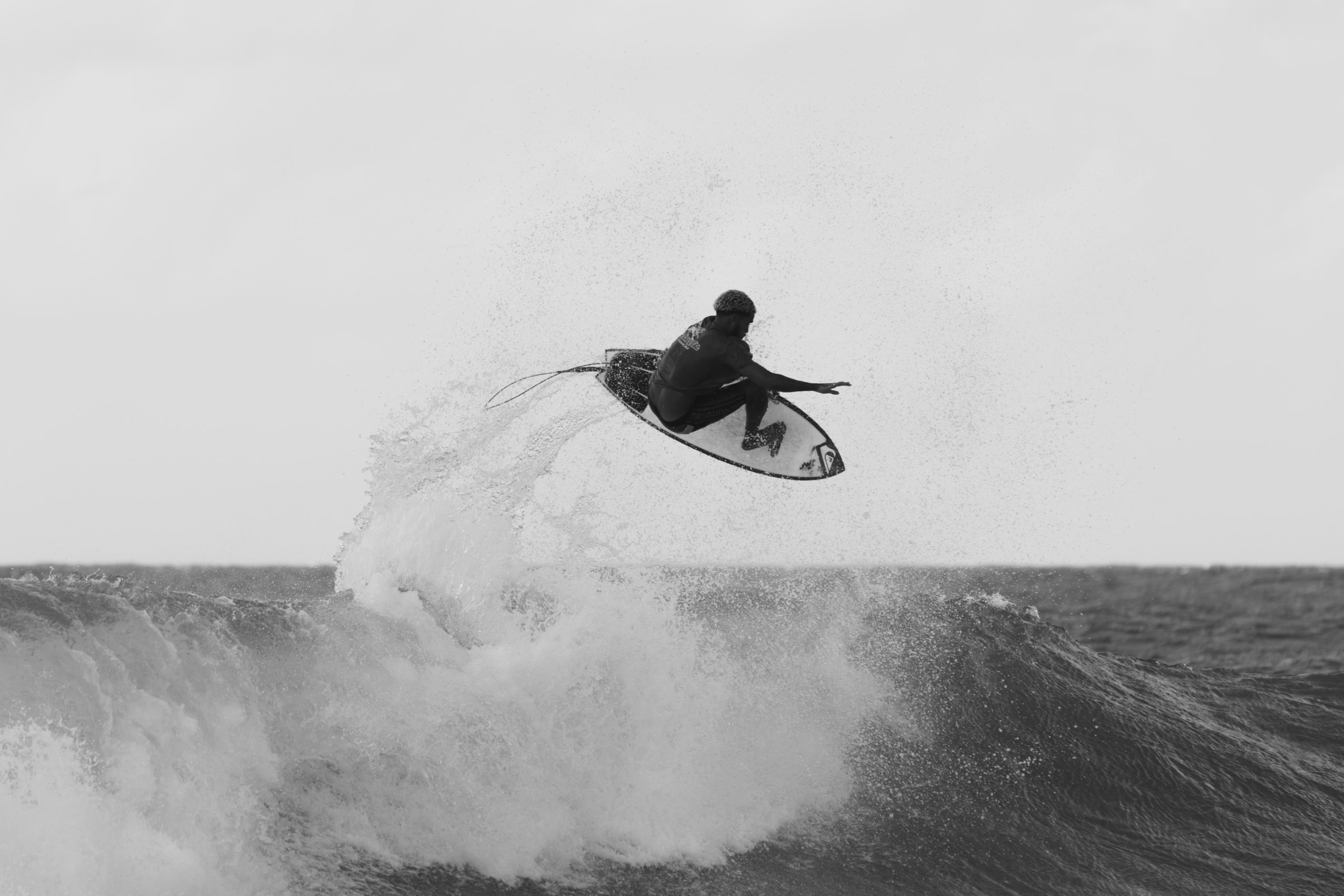
Surfing is considered pretty niche in Jamaica. Did it ever make you feel like a misfit, or someone doing something special?
I’m kind of a jack of all trades: I loved a lot of different sports. Football in high school, water polo, swimming competitively, track and field. But no matter what sport it was, I just wanted to get home so I could surf. That’s why I stopped competing in a lot of those other sports. Nothing touched it. Feeling like a misfit was part of it, but not in a bad way. More like: you can’t do what I’m doing. Nobody else is doing this. And with it being so unpopular, it was actually really cool to say, “I’m a surfer.” And then later in life, being able to say surfing is my job, which is even cooler, because I’ve loved surfing since the first wave I stood up on, vividly, and I’ve loved it every day since. Being a professional surfer was a dream planted when I was five years old. I held onto it all the way to nineteen without knowing exactly how it would happen, just knowing it would. And my whole goal now is to make that opportunity available for other kids. More people should experience surfing. It’s more than a sport: it’s a lifestyle that is genuinely life-changing. It’s going to happen. It’s just a matter of time, and people doing the right things to influence it.
We’ve seen you’re generous with what surfing has given you. As your profile has grown do you feel a responsibility towards the next generation in Jamaica?
Definitely. I’m so grateful for everything people have done for me, and I’ll never stop giving thanks to the people who helped along the way, and it meant everything. I try to steer away from the narrative of the poor Jamaican kid barely getting by. I’d rather focus on what passion looks like, because when I see passion in younger kids, I see myself. I know what it meant to me when someone gave me a board or even a pair of board shorts, because we really didn’t have those things.
I’m the youngest of seven. My mom was raising us by herself, and she did a terrific job, but there just wasn’t extra for new board shorts or a new board. If somebody visited from the East Coast and left a board, like a Jensen Callaway coming through Jamaica and leaving one, that meant the world. Or one of Ica (Wilmot)’s hand-me-downs. Back then you got a board and that was your board for the next two years. If it broke, you put it back together.
Now being in a position where I have certain things at my disposal, I love giving back, especially to kids who have a genuine passion and really want to surf and get better. Big up to Dylan Graves too; can never leave Dylan out. He gave me one of my best boards at a really important stage in my surfing, and he didn’t stop there. He introduced me to Haydenshapes and went to bat for me, and I’ve been on the team ever since. Knowing what that kind of gesture can do to somebody’s life, I want to be able to do that for others who are going to pursue it and run with it.
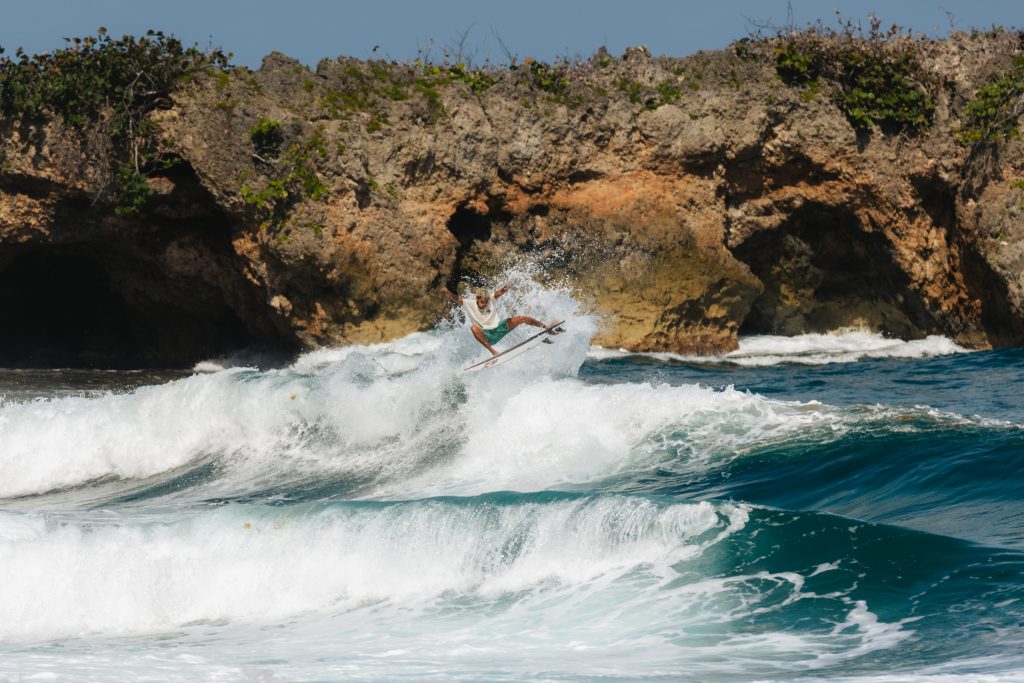
What’s your wish for the future of surfing in Jamaica? What’s the dream scenario?
The dream is getting surf culture to a point where people can make a living from it, where those who are passionate about it can look at it as a serious career path. It’s wild to think that surfing has been going on in Jamaica for decades, and I’ve been the first professional surfer from here. I want more opportunities for people like that. I want someone to be able to say, “I could be a pro surfer. Or if not pro, I could coach the Olympic team.”
I feel like Jamaica as a whole could really benefit from surfing. A lot of what young Jamaicans get into detaches them from nature. Surfing keeps you grounded; it teaches life lessons that would be valuable for a lot of young people. Being in the ocean makes you more aware of the environment, of the impact we have. Surfers are just more in tune in ways that I think could be really good for young Jamaicans. I want the sport to become a household name, a national sport. The government should definitely help shine a light on it and support its growth.
You’re clearly a solid skateboarder too. How did you first get into skating, and has it run alongside surfing from the beginning?
The interest in skateboarding actually started before I moved to Bull Bay, which was my brother’s influence. He got a skateboard when I was probably two years old, before I was even in preschool, and I remember running that thing up and down the driveway in Kingston. So, when I moved to Bull Bay and saw people skating, that was the first thing I gravitated towards.
I was afraid of the sea when I arrived. You couldn’t get me near the water. For those first months it was pure skateboarding, and then slowly, hearing my siblings having the time of their lives on the beach, I overcame the fear, only to almost drown about ten times. Skateboarding has been a massive part of my life. There were periods where I was purely skating, not surfing at all, building the gully (a local DIY), obsessing over it, going to Kingston to skate stairs. A lot of injuries, a lot of cuts and bruises. I loved it. I still do.
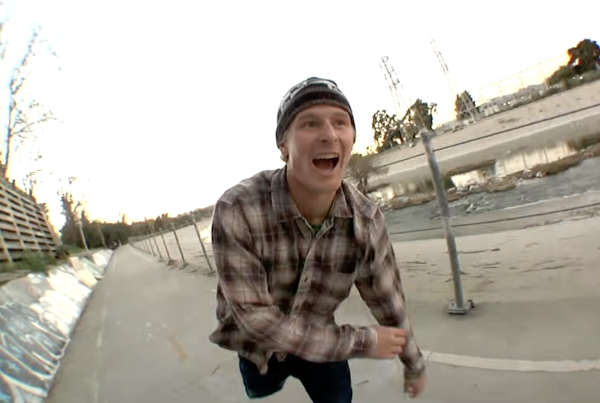
Building the gully was a catalyst for the whole skateboarding movement in Jamaica. We weren’t thinking, “this is the first concrete skate park on the island.” We just needed somewhere to skate without getting chased by security guards at the shopping plazas. We looked at Thrasher magazines, fantasised about skating proper parks, and started with a few bags of cement, no experience, none of us were masons. We just piled up rocks and cast cement, and as the years went on, got better at it. All the proposals for a skate park in Jamaica that came later featured the gully as the main reference point. That’s ultimately why the Freedom Skate Park is in Bull Bay today. Seeing someone like Daniel Mattis absolutely killing it now gives me real hope, because in my view, the whole point is to see someone get better than me. If I’m in my thirties and still one of the best skateboarders in Jamaica, what was my influence really? It has to be growth. I want Danny to go pro, him or his younger brother. That’s where my head’s at.
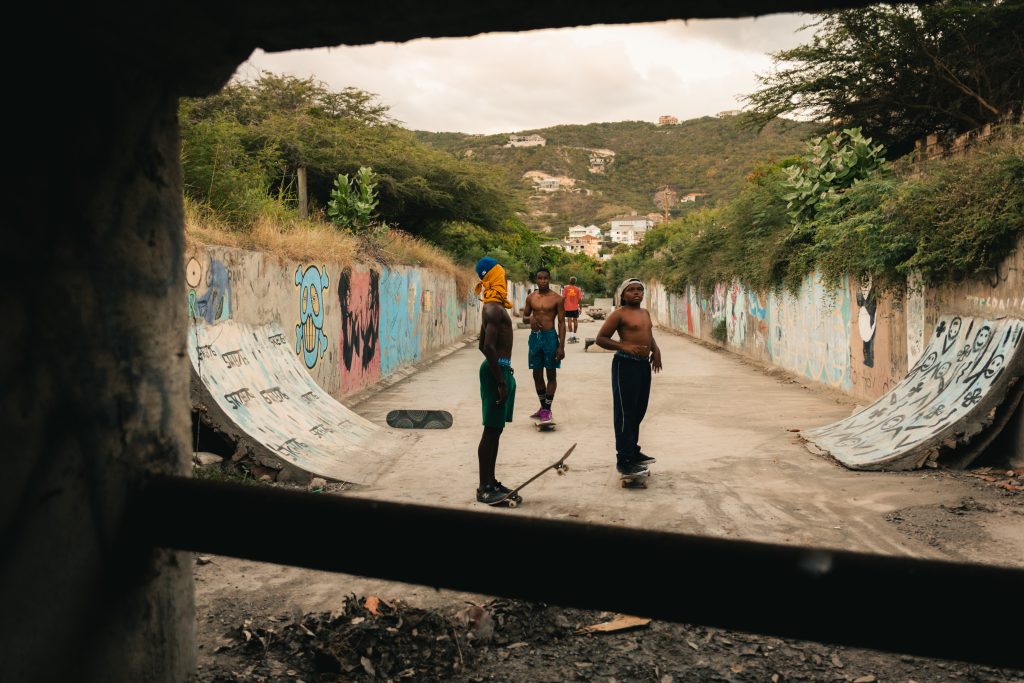
You played a role in building the bowl at Jamnesia when you were young. What did that mean to you personally?
That bowl was around 2005; I was in prep school at the time. I remember digging it with shovels, going there every evening after school to see what had happened during the day. When the concrete went in, when the coping was finished, then the decking, and the excitement was phenomenal. All the kids around it. After it was done, we spent every single day at the Jamnesia bowl. Barefoot skating on weekends from seven in the morning until night, the whole crew. God bless Billy (Mystic) and Maggie for that, with fifteen kids in the yard every day after school, skating, surfing, creating havoc. But it was a good environment. We got the last of that real outside living. Twelve years old, hiking up through the valley to the river with basic snacks. Nobody’s fruit trees were safe: mango, anything we could find, we’d jump fences when we were hungry. That raw Jamaican living. Flipping off ten-foot walls into the sea. Somebody’s hurt, somebody needs stitches, and that’s the story for the next few days.
Back then I didn’t see it as a blessing. I wanted video games like other kids. But looking back, I’m so grateful for all of those experiences. They taught me so much about life: how to navigate, how to form friendships, how to move through the world. Street smarts. I was taking the bus to school from second or third grade. You learn a lot doing that. I don’t regret anything about how I grew up. If anything it’s been the most positive thing, because I know the value of things. When you grow up too privileged you don’t really understand what something is worth, so you don’t think to extend it to others. When you know what it’s like not to have it, you truly understand its value, and I’m grateful for that.
Tell us about your music. You record under the name Shama: can you talk about that side of your life?
Growing up in Jamaica, music is automatically a big part of your life. Every Sunday there’s a sound system, playing Bob Marley, Jimmy Cliff, Dennis Brown, all the classics, and you’re instilled with an ear for it from an early age. My musical journey really started in high school. Someone would beat a rhythm on the desk with a pen and we’d go around freestyling, having little battles. I’d write rhymes in the back of my notebooks. And what I love about music is the same thing I love about surfing: freedom of expression. Nobody can tell me how to write a song or sing a song. I bring my own unique approach, and there’s no right or wrong way to do it.
I’ve been taking it a lot more seriously lately, recording more, setting up a studio in my room. Being able to roll over to a beat at any time and just record has been amazing. I remember saying at the start that if five people liked my songs I’d be happy. It’s crazy to have people messaging me from Germany, from Paris, from all over: “this song is so good.” Because I know what music means to me. I know how it feels when you find a song that resonates, that puts you somewhere else mentally. To think that music I make can do that for other people… yeah. It was never about fame or money. I just want to make something someone can relate to, something that can pull someone out of a bad mood and take them somewhere else. I love making music with my boys: Ivan, Bala, all of them. Really talented people. I’m looking forward to putting out some serious music in the coming months.
You can’t talk about music in Jamaica without talking about Bob Marley…
Bob’s music has just always been there. Going to Portland for surf contests as a grom, we’d listen to his albums on the way out. Sunday afternoons at Jamnesia with a big sound system playing his records across the beach. As a kid it was the melody, catchy, beautiful, nice. But as you get older and learn the words, really learn what they mean, the music takes on new meaning. The older you get, the more you relate. Bob’s music has gone through a lot of transitions in how I perceive it; it keeps finding new meaning as I live more life. When you really sit with the lessons in it, what it represented, the people it affected, and you understand why he became such a global icon. And he still is. Still so influential.
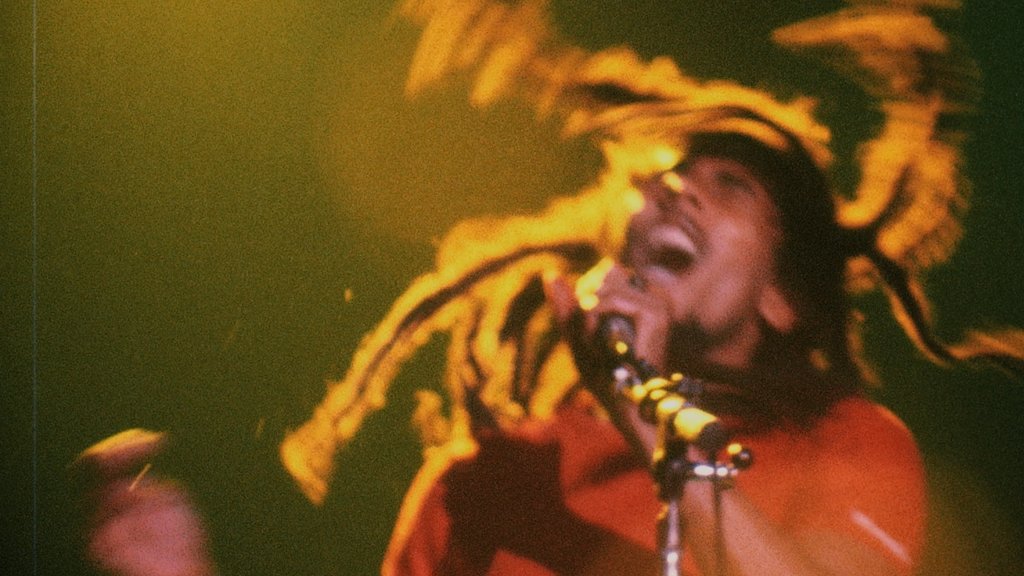
Apparently Bob had a special connection to Bull Bay. Do you know much about that?
Earlier I mentioned hiking up to Cane River as kids; that’s a place Bob would frequent. And Bob Marley Beach is five minutes up the road from where we grew up. We surf that beach too. Cable Hut, all the spots around here, and he had places he’d come and spend time. His presence was definitely known in the Bull Bay area. And his legacy lives in it too. Coming here, enjoying the beach and the river, living life out there, and I’m sure songs were inspired by being in Bull Bay, by the beach, by the river. Bull Bay is a magical place. When you come here you feel it. Recently I’ve been having these flashbacks: looking out the window at the water, the way the sun hits it, and it brings back the feeling of when I first arrived here as a kid. I came so young I don’t really remember, but somehow the feeling is coming back. How it felt like I was in a new world. It still has that magic. I’ve just gotten used to it, but I don’t take it for granted.
From an insider’s perspective, why do you think Bob became so famous on such a global scale?
Authenticity. I feel like authenticity had a huge role to play in why he became such an icon: telling real stories, painting real scenarios that everyday people can relate to, creating music that drives people to fight for what they believe in. Music that transcends gender and race. Most of all, self-expression. Not being too influenced by everything outside. Being true to oneself. I think he was just being himself, and people appreciate that, because a lot of people aren’t comfortable being themselves, especially when you think and move differently. That takes real confidence, real courage. People recognise and admire it. You can hear authenticity in music, and his had it in every line.
If he were still here today, where do you think he’d be living?
After all the fame and success, I think Bob would want to be somewhere tranquil, outside of the public eye. Somewhere in the hills or close to a beach where he could have some peace of mind, and still create music, because I can’t imagine someone like Bob not creating music. Somewhere peaceful, somewhere secluded. Maybe even Bull Bay, who knows.