Video by Sam Moody | Photogrpahy by Alicia Mermillod
Mathis Bozzolo, known to most simply as Bozzz, has cracked the code and found a way to perfectly balance summers in France with winters in Japan. He splits his time between snowboarding, surfing and shaping boards for his brand Gencives. Japan has since become something of a home away from home, bringing together the things he loves most.
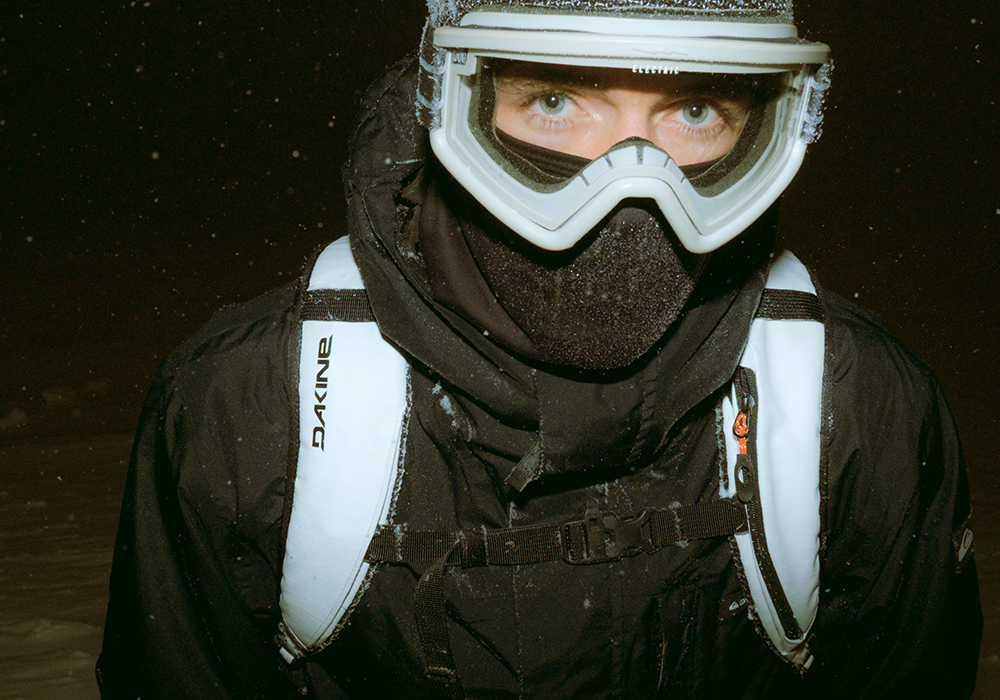
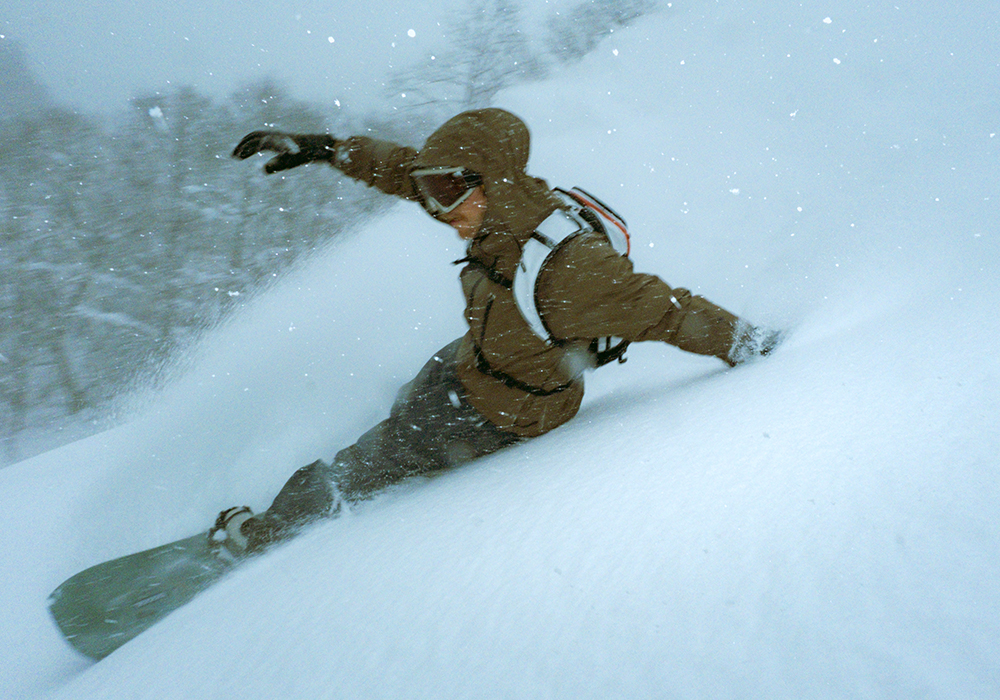
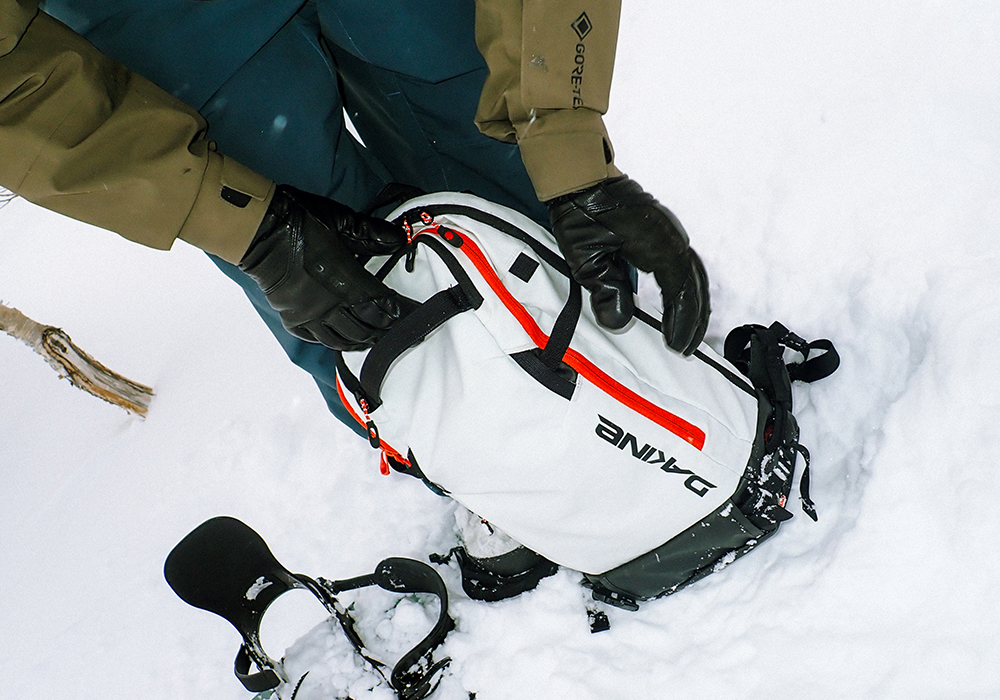
Projects like this usually come together with a plan. Hokkaido Hideaways however, was more of a happy accident, born out of a couple of days riding in Hokkaido with friends Sam Moody, Colden Rand and Yanneck Konda. What started as a shoot for Dakine’s HeliPro 2 campaign turned into something worth putting out on its own.
We caught up with Bozzz just before he boarded a flight east to find out a little more about the film, his love for Japan and what keeps him jazzed in the shaping bay.
How did this project come together, and what was the original idea behind the video?
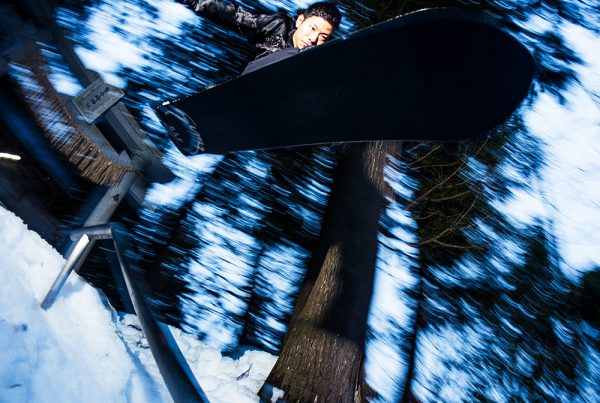
Benj from Dakine asked me to film some stuff for their new HeliPro 2 campaign, so I joined my good friends Sam Moody, Colden Rand and Yanneck Konda for a couple of days in central Hokkaido. We ended up having two really sick days and came away with way more footage than we needed, so we wanted to do something with it instead of letting it go to waste.
Was there something you wanted to capture with this video that you haven’t shown in previous projects?
This project came together so randomly that I hadn’t thought much about anything before actually riding and seeing the clips (laugs). I’m just happy with how everything naturally turned out. It shows more of the raw days in Japan, which is what I like the most.
Why did you choose Japan for this trip, and what makes it such a special place for you?
Because you can’t go wrong there. Obviously a lot of projects have been done in Japan, but it’s just too good to be true, and there are still so many spots to be discovered. It’s like an endless quest, and it feels pretty mystical. Being so close to the waves also means I can surf during the snowboard season. Staying somewhere I can do the two things I love most is a life goal for me. No more frustration.
 You’ve spent a lot of time in Japan working as a snowboard guide. Has living and riding there changed your relationship with snowboarding?
Yes, it definitely has. Growing up in the French Alps, where snowboarding is so small and marginal, doesn’t always make it enjoyable. In Japan, you can feel that snowboard culture is really a thing, and mixed with their own culture and vision, it becomes something very special and inspiring. Japanese riders are so meticulous and always stoked to ride that it makes you want to do the same. Pure soul boarders.
Beyond the snow conditions, what makes Japanese terrain so interesting from a riding perspective?
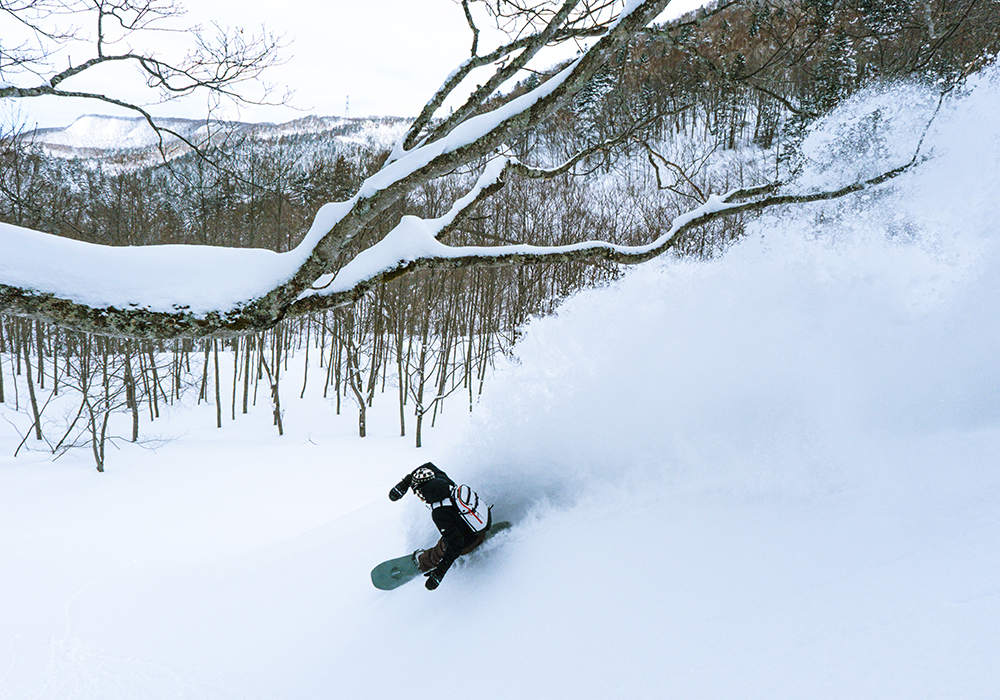
The tides. Going through a winter here is like being on a long rising tide. At first, the terrain is super playful, with a lot of features everywhere, but also a lot of trees that block access to many spots. As time passes, the bigger spots fill in and open up, so you can be in the same place a couple of weeks apart and ride totally different lines. It’s always moving and changing, never boring, and it brings a lot of variety. The birch forests are also super convenient on bad-weather days (like most days in Hokkaido). It feels like walking in the woods, not even snowboarding.
What do you like most about the local culture?
Too many things (laughs). Obviously the food, the language, the art… But I really like their way of living. They do their own thing with their own ideas, in the total opposite direction from what any Western country would do. I feel that Japanese people are really focused on their own world and stick to their roots, which is probably why they have such a particular style and aura, something I respect a lot. They aren’t trying to copy anyone, the way we sometimes copy the Americans in Europe (snowboarding-wise).
You spend a lot of your life snowboarding, but surfing is clearly a huge part of it too. How did Gencives Surfboards come about, and what made you want to start shaping your own boards?
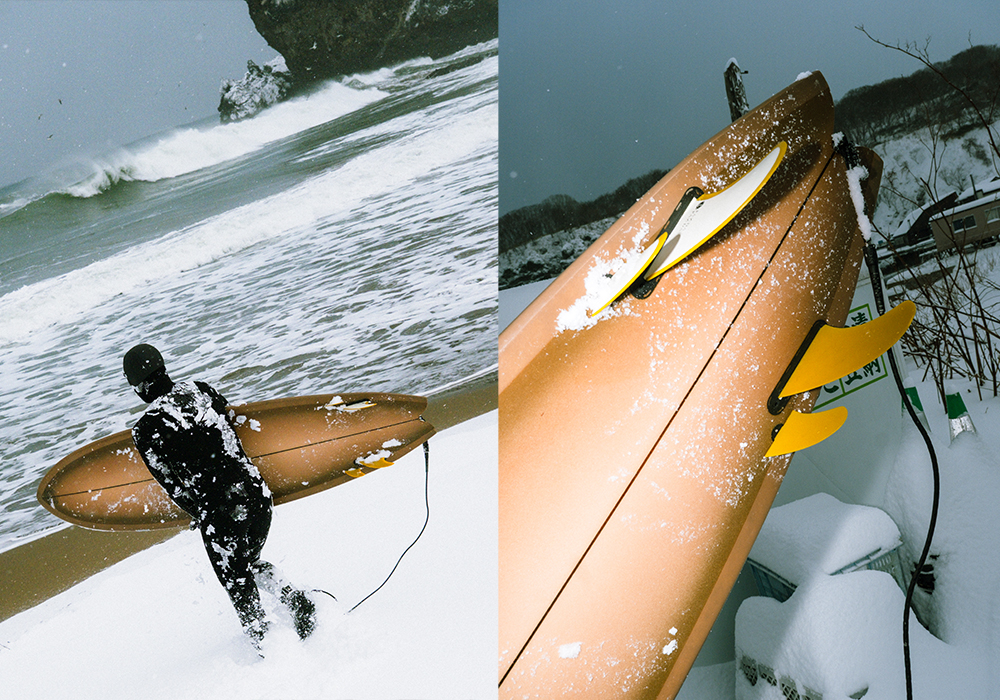
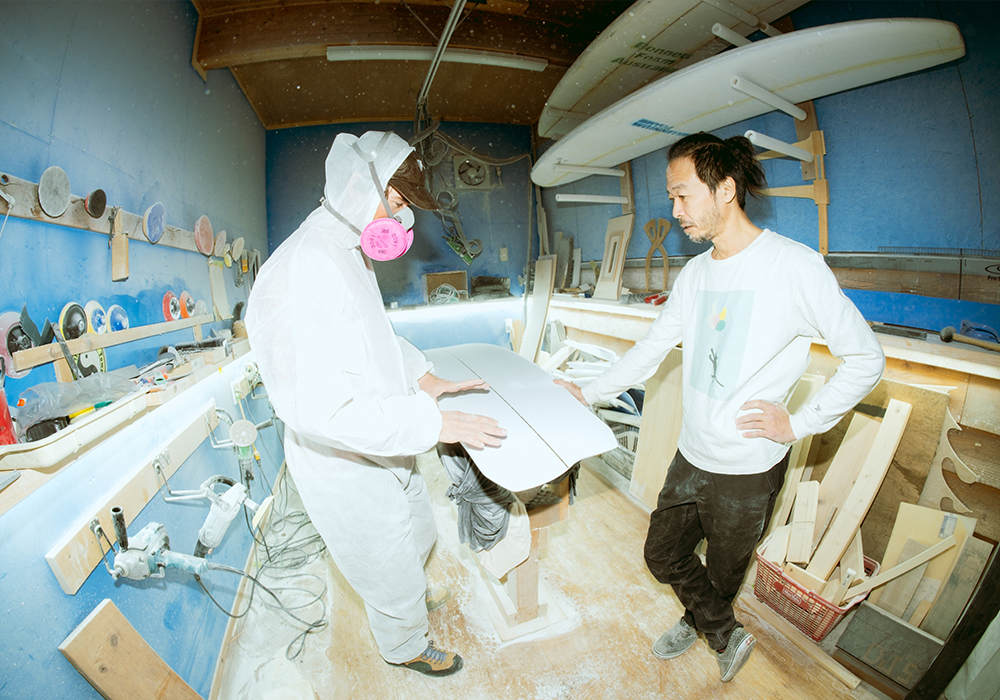
At the time, my best mate and I were broke as hell, and there weren’t many affordable alternative boards around that made us dream, other than 5’10” 28.7L squash-tail thrusters. I’ve always been into DIY, so we thought: rather than buying a brand-new board, let’s put that money into tools and materials, so the next ones won’t cost much, and we won’t get bored when there’s no surf. We started doing it for fun in the sketchiest shed ever, taught ourselves and made heaps of mistakes. Then friends started asking for boards, then friends of friends… So we made more and more, and eventually it got more serious. Now it’s my full-time summer job, and I couldn’t be happier about it!
Why the name Gencives?
Because when I smile you can see my gums a lot, and “gums” in French is “gencives.” My friends were always making fun of me for it and calling me Gencives as a nickname. So when I was looking for a name for my boards, the homies came up with the idea, more as a joke, but we found it pretty fun, so we kept it. That’s the story behind it (laughs).
How important is the handmade aspect of the brand to you, in a world where so much surf equipment is mass-produced?
To me, it’s probably the most important part of building boards. Hand-shaping is where you get creative, and all your ideas merge into something as you spend so much time in the shaping room. It also lets you make last-minute tweaks that you couldn’t do with a machine shape, so you end up with a more unique object. In my opinion, every board builder should hand-shape for a while before moving to machined shapes; that’s how you learn everything. Starting out building boards straight on a CNC machine is kind of cheating and cutting corners. It doesn’t bring any soul to a board, and it’s actually not as accurate as people think.
Do you see similarities between surfboard and snowboard design? Has shaping changed how you think about your snowboard setup, or vice versa?
Yes, a bunch. Obviously snowboarding has been heavily inspired by surfing. I’ve been much more into directional boards since I started surfing. Even though a snowboard’s shape doesn’t have as big an impact on the way you ride as a surfboard’s does, there are still different feelings to be found, and it keeps things entertaining rather than always riding the same twin tip.
I was riding asymmetrical snowboards before I’d surfed any asym surfboards, so I think it helped me try to translate that feeling of having so much more rail control on your heel side, which is so pleasant. That’s what I’ve been chasing in my surfboard designs lately.
Who or what has been inspiring your snowboarding lately, whether in film, music, art, or beyond the sport?
Pretty much every low-key rider inspires me, because they’re the ones doing it out of passion and not for glory. They just do their own thing without caring too much about what people think. My friends from all over are always the ones who inspire me the most.
I really loved Étrange Mélange by Olivier Gittler; it has the sickest vibe you can get from snowboarding. Stefan Schneicker is also a super talented and underrated filmmaker, and I’m looking forward to collaborating with him! Music-wise, I’ve been really enjoying My Bloody Valentine lately.
What’s next for you, and is there another place or idea you’re already excited to explore?
I don’t know exactly yet. I’m heading back to Japan, and from there I’ll go with the flow, I guess. Loose plans are the best plans! Places where I can mix snowboarding, surfing and shaping definitely get me frothing. I also got really into snurfing/powsurfing last winter, and that’s for sure something I want to dig into more.