Words by Teddy Koo | Photography by Alexei Obolensky, Yamato and Alexander Witmer
This article was originally published in Volume XVII, February 2026
The Underdog.
The Unsung Hero.
The Silent Assassin.
The Little Prince.
It’s rare to start an article with four titles. But after much back and forth with our esteemed Japanese friends and partners, we couldn’t land on one, as Hayato Nagasawa is a hard man to pigeonhole.
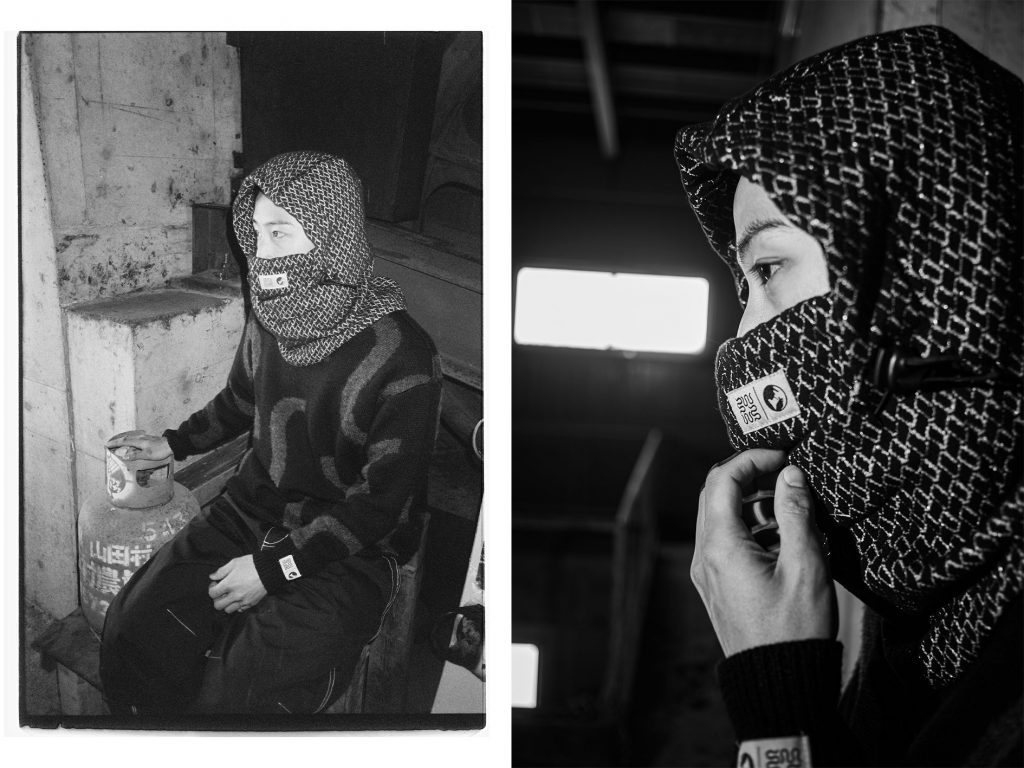
Slight in build. Humble in personality. A titan in ability. His skills transcend snowboarding—a textile designer, a graphic designer, and a winter van-living connoisseur—which, in the cold winters of Japan, takes some doing.
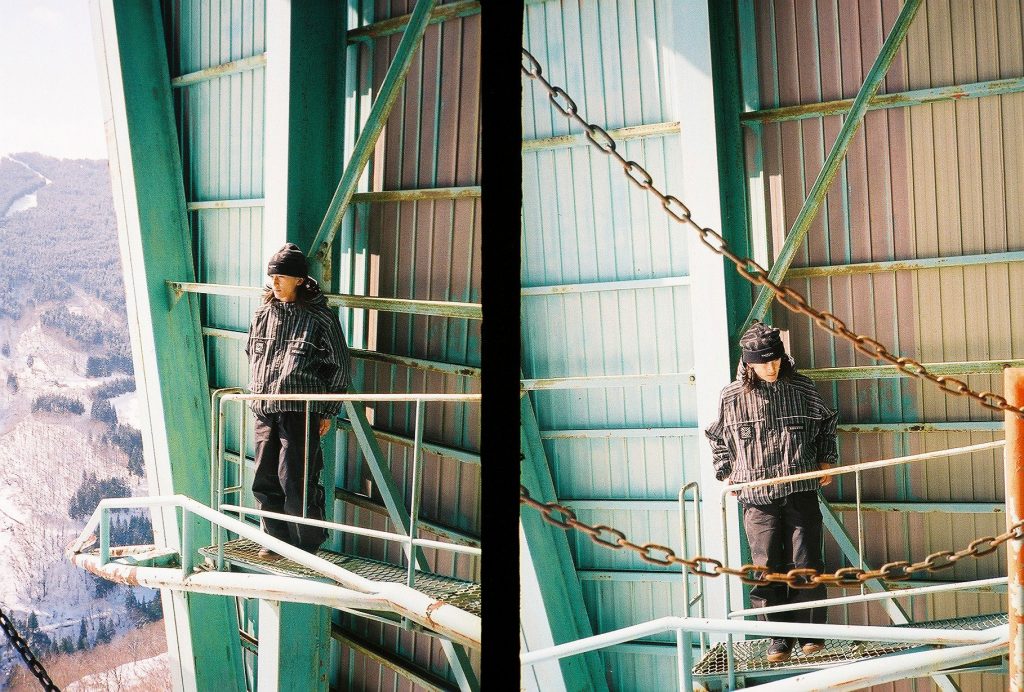
We first met Hayato on a cold day (as is often the case in February) in a town called Toyama, a nondescript, coastal industrial town in central mainland Japan. Hayato and his close confidant and filmer Yamato turn up in their van, small even by Japanese standards, where they live together for months, on the eternal hunt for street spots. The first thing that strikes me is the organisation of the van. Two guys in their early twenties sharing a van—be it the well-trodden European path to Morocco, the east coast of Australia, or the West Coast of the US—are, by default, a shitshow. But not here, everything is perfectly stowed, everything has its place. The second thing that strikes me is his manners, extremely polite, even by Japanese standards. The third is his skin and the accompanying routine. Just wow.
But most importantly, his ability on a snowboard supersedes all. Over the week, we tour from spot to spot in Japan’s industrial heartland, and we are blown away by his work ethic, spot selection, and style. By night, our Airbnb is the tidiest it’s ever looked, and Hayato and Yamato are reviewing clips in near religious silence. A work ethic thus far unparalleled in the history of WT.
With Hayato’s stellar part in our Nomadik film, I’m Not Mad At You. We called the man with the plan, Mr. Teddy Koo, to interview the man himself on all things snowboarding and design.
Talk us through your beginnings in snowboarding.
I started snowboarding because of my dad. I was about five years old the first time I rode. I don’t remember much, but apparently I was hooked right away.
Is there a family link to your passions in snowboarding and design?
My dad works in the restaurant business, and my mom has a background in translating. There wasn’t a direct connection to design growing up, but I think independence and curiosity came naturally to me.
So, how did you get into textile design?
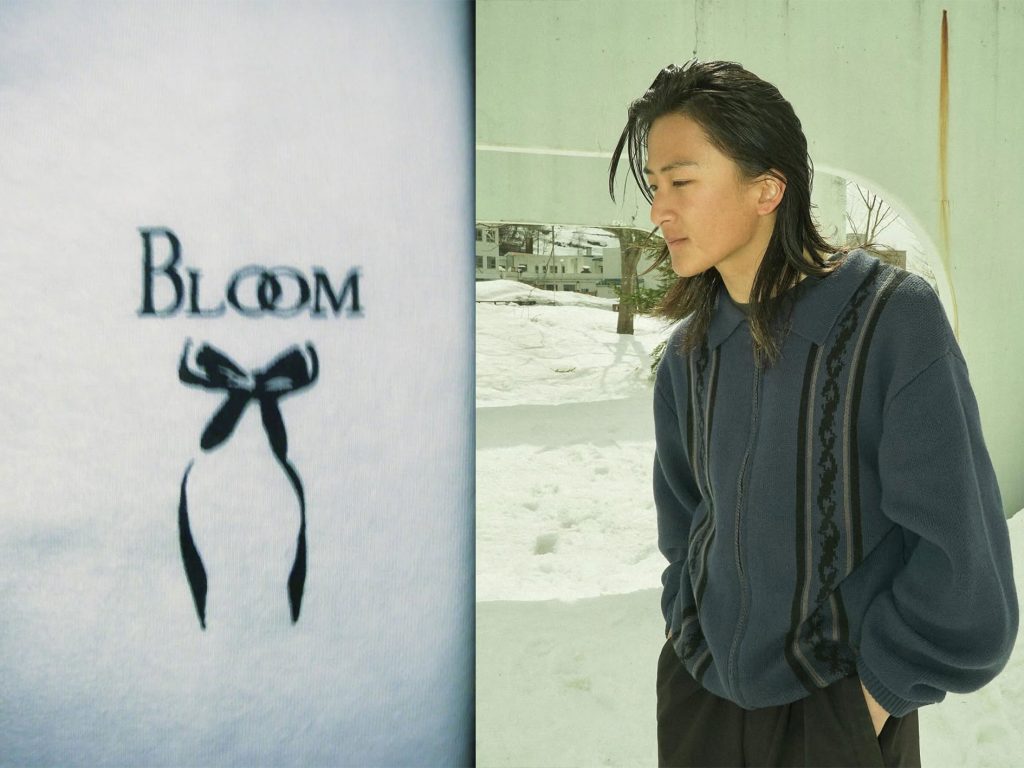
During my freshman year of college, I was living alone and started messing around with a sewing machine. I learned everything from YouTube. I’d go to vintage stores and never find clothes that fit me properly, so I eventually thought, fuck it, I’ll make my own.
It was hard. I didn’t have anyone teaching me—just trial and error—but that struggle made it meaningful.
My first piece took about a week to make. It was a black velour jacket. Honestly, it was a failure, but I’m still proud of it.
Is there a link between your passion for design and snowboarding?
Most of my inspiration doesn’t come from snowboarding. Snowboard outerwear has always been focused on warmth and waterproofing, which matters, but I think there’s room to bring real fashion into it.
That’s why NOMADIK feels right. The goal is to make gear that works on the mountain but also looks good in the city.
How do you go about spot selection when you are filming?
For I’m Not Mad At You, some of the footage was filmed two years before it came out. I was waiting for the right moment to use it.
Some years, I’m chasing that near-death feeling. Other years, I just want to cruise. My approach changes.
How do you find all these random spots across Japan?
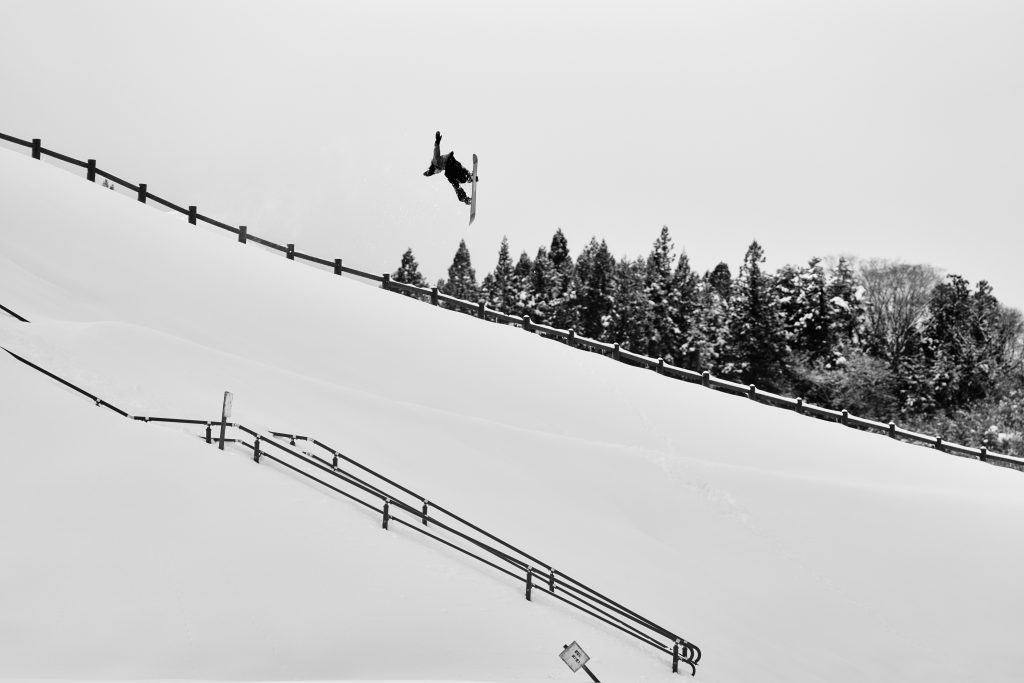
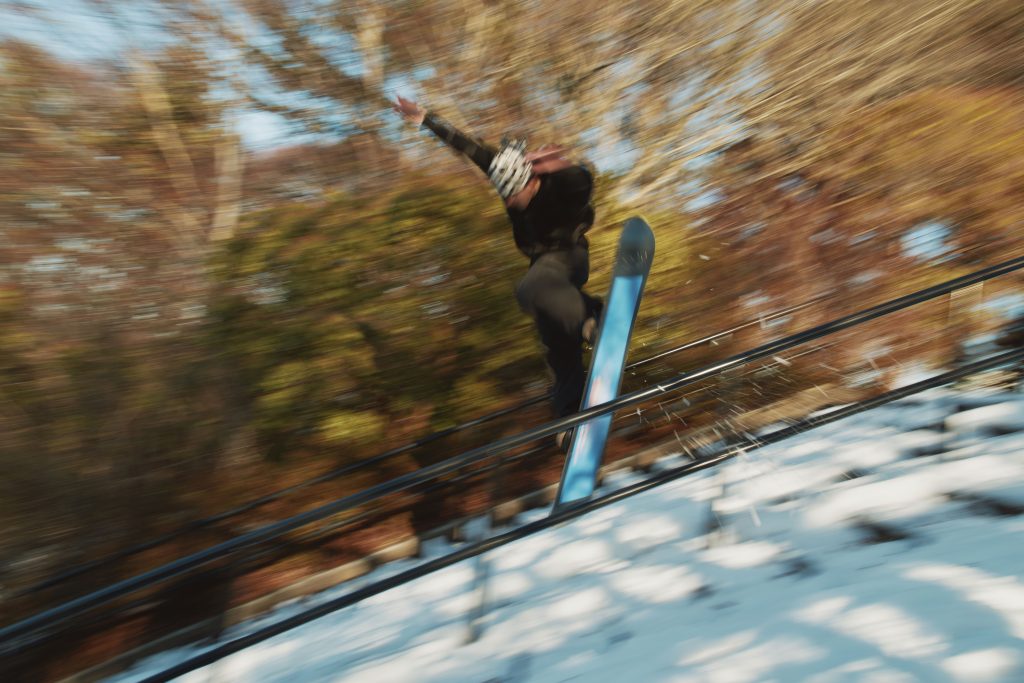
I use Google Maps like crazy, I am looking for things like stairs and rails. There’s this website called The Stair Map in Japan – it’s so weird, an underground stair fetish guy who uploads all the pins of stairs in Japan. I basically would look through the site, find the pin, look at the geo pictures, and go there. In the end, I never really got any good clips through the stair fetish site, but I went in deep…
Talk us through living in your van through winter?
Winter life in the van is survival mode. Me and my filmer Yamato slept inside with a ladder used as a drop-in ramp between us. Basically, there’s this large cold metal structure taking up half our space, and you couldn’t really change your sleeping position once you’re locked in. It was freezing and rough.
The upside was that we were always driving, always looking. At this point, I’ve built a solid list of street spots all across Japan.
And your relationship with your filmer, Yamato?
I met Yamato in 2020 at an indoor snowboard facility in Hashima, Gifu. After I stopped competing, I spent a lot of time riding there in the off-season. Yamato was filming with his dad’s camera, and things naturally grew from there.
Yamato is an amazing guy with a great work ethic, although he has about three jobs and is always broke. He’s either awake for three days straight or sleeping for three days straight. He’s always moving.
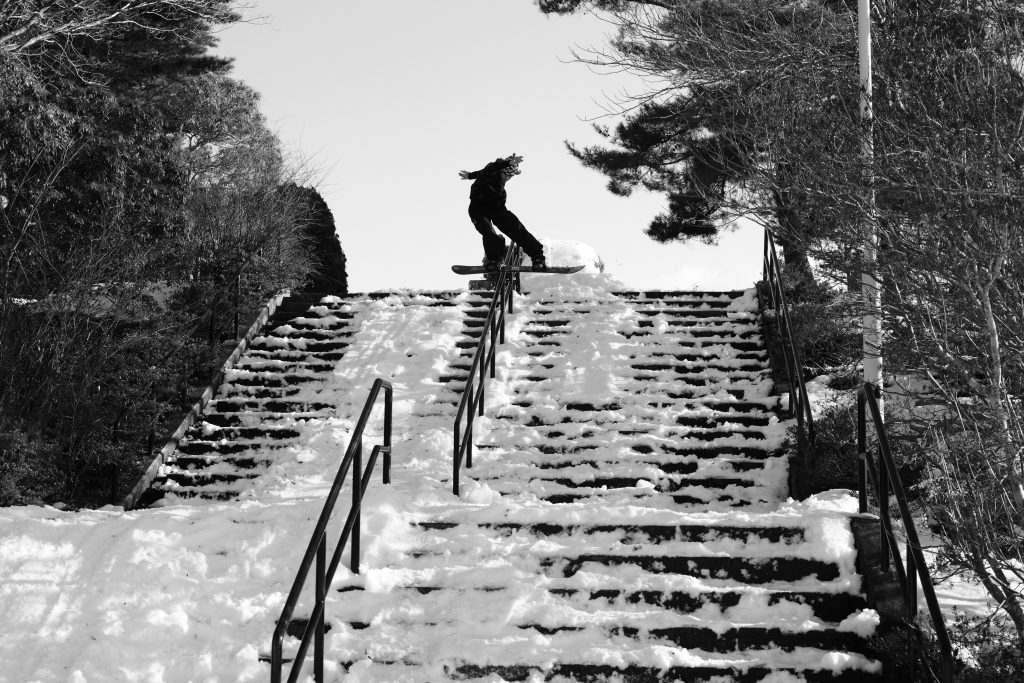
How is it being a snowboarder based in Tokyo? Not exactly the home of snowboarding…
Living in Tokyo makes snowboarding harder. It costs money, and the mountains are far. That’s why I sleep in my van.
But because it takes effort, snowboarding has always felt special to me. Driving far, being surrounded by snow and mountains—the challenge is part of the fun.
And does Tokyo influence you?
Tokyo is full of people who are active and constantly doing new things. They have motion. I’m not particularly inspired by a certain person, but there are always cool events, and art shows my friends do, and it’s just a good reason to get together and enjoy those moments.
What are some of the projects you’re proud of?
GYPSY was the first snowboard video I was ever part of. After competing my whole life, filming a video part was eye-opening. The amount of work to get one clip… from finding the spot, digging it, and then actually getting the shot—this takes days sometimes.
I used to watch street parts all the time, but once I started riding street myself, I realized how hard it really is. I ate shit all year—but it was the best time.
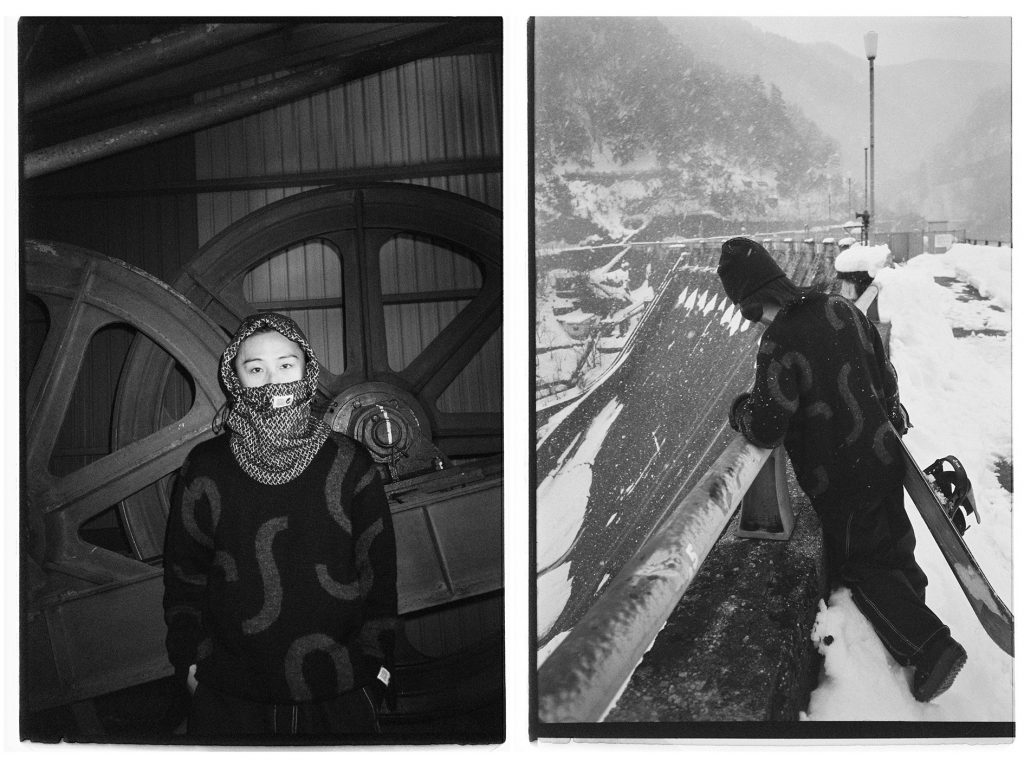
And design work you’re proud of?
The polo sweater I made with NOMADIK is still one of my favorite pieces.
Talk to us about Ukiyo?
Ukiyo started with Ryo Aizawa, since he wanted to do something on his own. He wanted me to start designing the stuff since we were friends for a long time. First, we were just making our own tie-dye that we would dye ourselves, that is a traditionally Japanese cloth called a tenugui, kind of like a bandana thing. It’s a really functional piece. From there, we grew it into things we wanted to make, clothes, bindings with FLUX, and now I have my own boards through UKIYO. It’s been an interesting process, we’re taking it slow and enjoying every step of the way.
What are some of your inspirations in snowboarding?
I’ve always been a huge Spencer Schubert fan. I’ve seen every clip he’s ever put out.
He had these North Face x Brain Dead puffy pants that I couldn’t find in Japan, so I ordered them from eBay for around $500. Totally worth it.

And outside of snowboarding?
I’m lucky to have a lot of talented friends making great art. But more than anything, I get inspired by words and books. My favorite book is The Little Prince because it just became my bible and always has been. I never want to forget that feeling of being a kid and not being stuck like a normal Tokyo businessman, which is somewhat the norm in Japan.
So what’s next for you, Hayato?
As a snowboarder, I want to do everything. I miss double corks and that side of riding.
I also want to make a full movie with the DOBUNEZUMI crew—the guys I grew up with. We all took different paths, but coming back together would be special.
From a design standpoint, I mean, you see the shit with AI, I think it’s absolute bullshit. However, because it’s going to be so prominent, I think this is going to give people who are actually talented and can do things originally higher appreciation and respect in society. I plan to be one of those people.