Words & Portrait by Robin Pailler
In an age of endless images, the power of a single photograph still lies in its ability to fix memory in place.
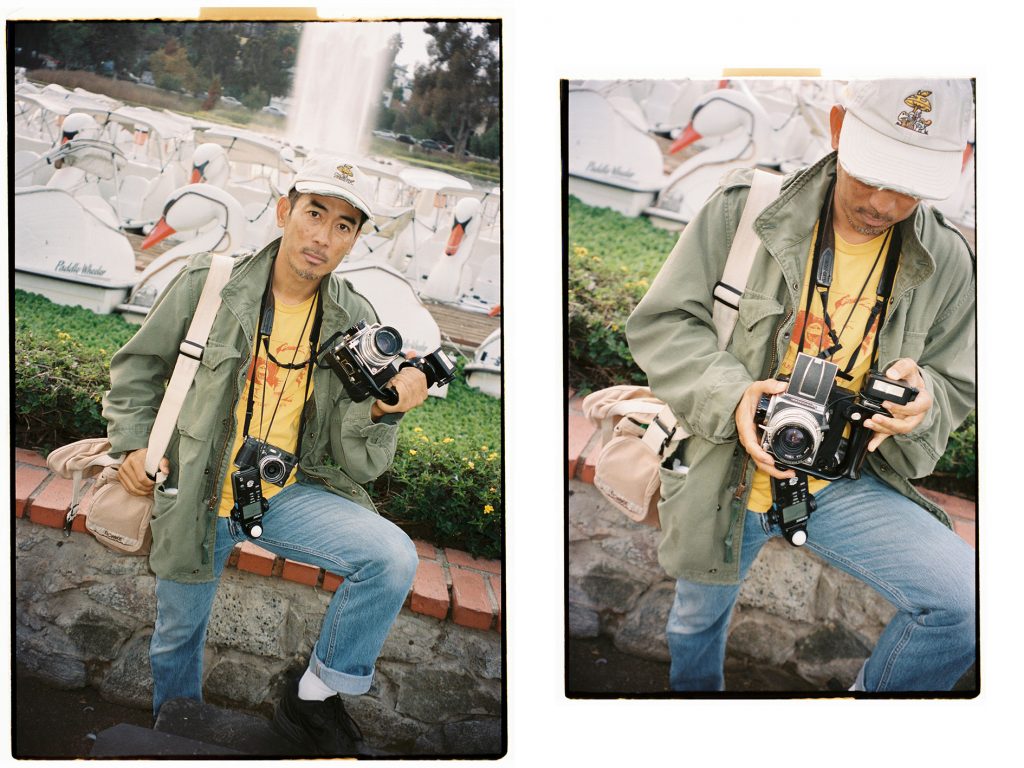
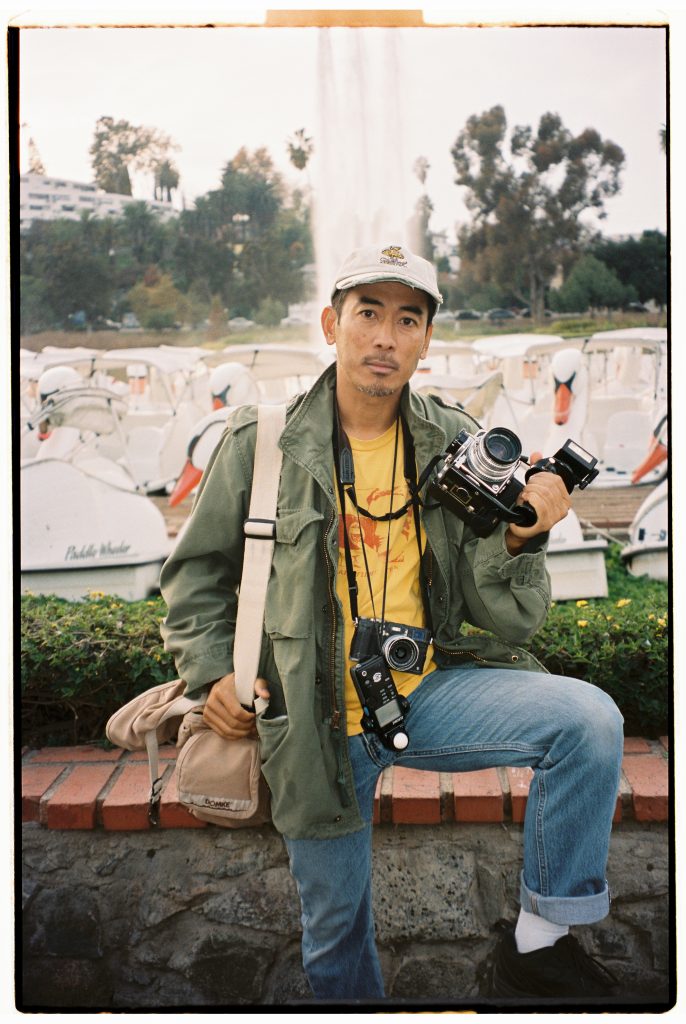
Last December in Echo Park, I met a man who has seemingly made that idea his occupation. Meet Bulan, aka Memory Peddler.
I first noticed him walking across the grass on a quiet Sunday afternoon. Blue jeans. A yellow EPFC (Echo Park Film Collective) T-shirt stamped with a camera graphic. A vintage olive-green M65 military jacket. Around his neck hung a Fuji X100S and a light meter; over his right shoulder, a worn Domke bag heavy with film. In his left hand, he carried a Hasselblad 500C as it were an extension of himself. A look reminiscent of Dennis Hopper’s photojournalist in Apocalypse Now, minus the red bandana.
He moved deliberately through the park, approaching small groups and couples with quiet confidence. Each interaction followed a similar rhythm: a brief introduction, a short conversation, then an offer to make a portrait. Some accepted with enthusiasm. Others politely declined. There was no sales pitch, no pressure — just the proposition of a photograph meant to last longer than the afternoon.
Out of curiosity, I introduced myself and asked his name.
Hey, I’m Robin.
Bulan. Nice to meet you.
Nice camera. What are you shooting out here?
Oh, I’m working. This is what I do. It’s donation-based — give what you can. I walk five, eight, ten hours a day, five days a week, reaching out to people all cross the country. After almost two years, I’ve photographed 10,000 people across 25 states, I think. I don’t even count anymore.


What were you doing before this?
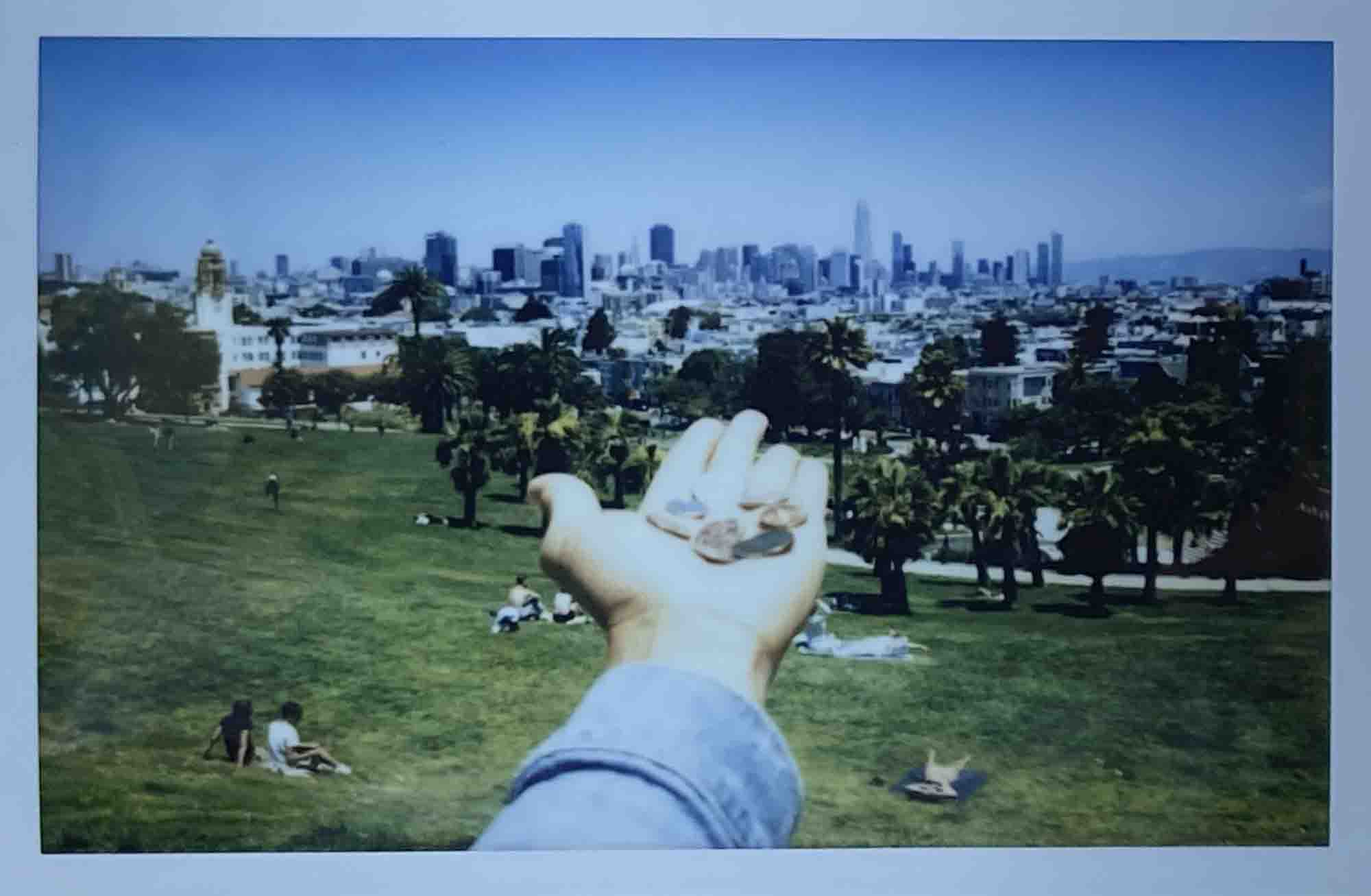
I worked in marketing in the medical field for a decade when I first had a family. Then I became a video journalist in 2020 during the pandemic. A year later, on January 6th, I was there when they stormed the Capitol. I lost my empathy in video journalism. The news — it’s too fast, y’know? You just lose your empathy. I went to Thailand. I found a school with a dormitory — tuition included — $150 a month. So I had a roof over my head, and I learned Thai massage. I didn’t plan it. I just wanted somewhere to stay for $150 a month. But you have to learn if you’re there. So I’d wake up at 5am, clean the school, pray, meditate, stretch, study Thai massage all day. Sleep at nine, wake at five. Lights off at nine, up at five. Three months of that. No alcohol. It changed my life. When I came back to America, I said, I don’t want to be a video journalist anymore. What do I do? I have this skill now. So I did a pop-up massage across the lake there. Thai massage — give what you can. For the first time in my life, people were thankful. Grandmas would come up to me. ‘Bulan, I only have $20. Can you please massage me?’ ‘Grandma, come here. I’ll give you a 30-minute massage.’ After seven months, my hands got tired. Even though people were thankful, I said, I can’t do this anymore. What do I do? Well, I like photography. That’s what I really love. So I started shooting right by where I had the massage chair, and people were donating more for a photo than when I was doing the massage! Then I got bored here. I was already living in my van. I thought, I’ll go to San Francisco. Boom. San Francisco. Much denser city. Mission Dolores Park. Have you been?
I have indeed. A long time ago, though.
I said, okay, I’m going to cross the country — Reno, Salt Lake, Denver, Kansas, Indianapolis, Columbus, Ohio, Central Missouri, Pittsburgh, New York City. I stayed there for seven months.
In New York? How was that?
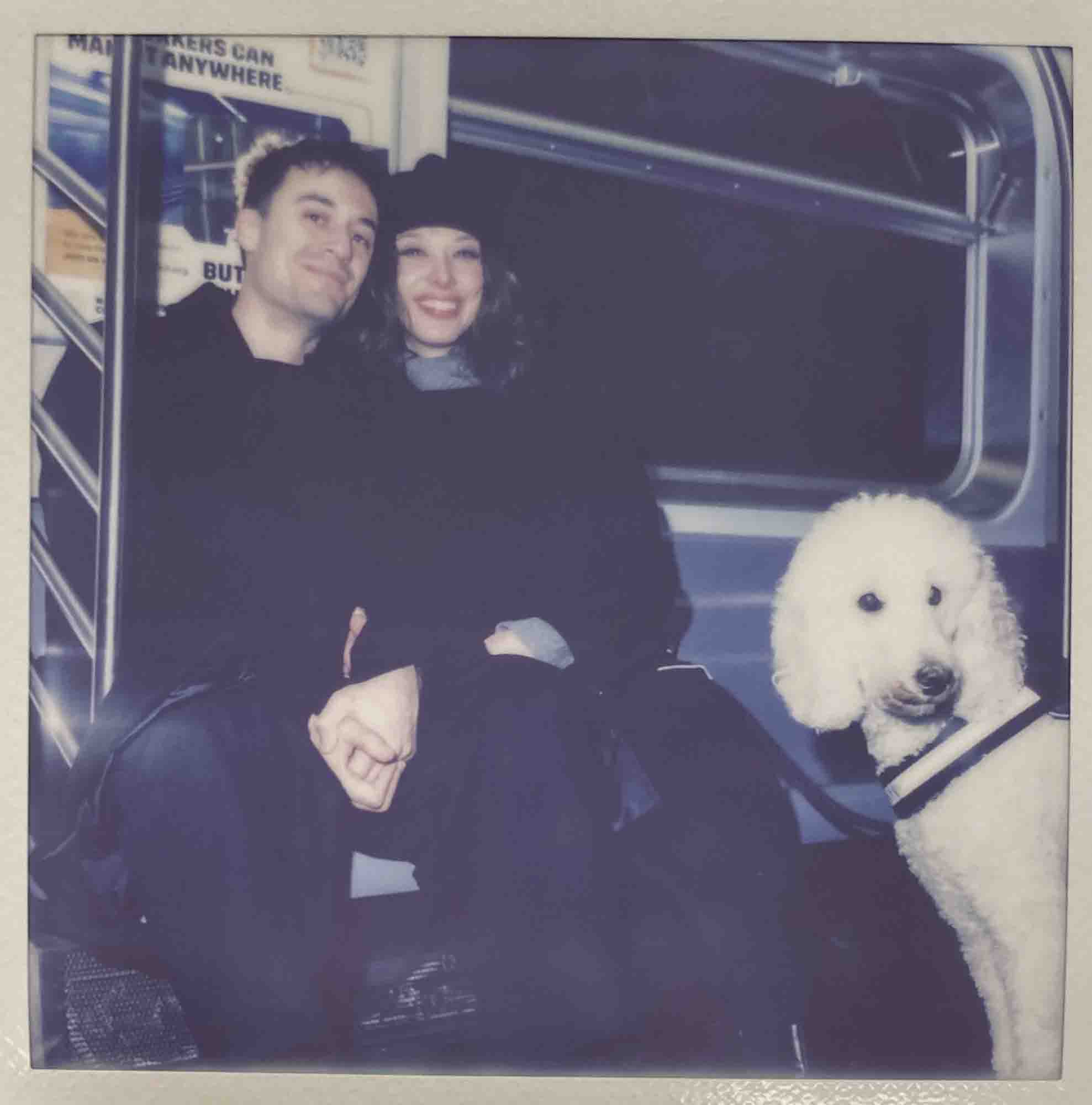
The energy of that place — it’s the Mecca. And of course, the subway. I’ve lived in LA for 20 years. I took the train when I first arrived, but living here, you have a car. You don’t really use the subway, and I forgot about it. I also feel like nobody really commutes that way here.
But in New York, everybody takes the train — rich and poor. When I went to San Francisco, I did it on the Muni. Totally different, man. San Francisco is very affluent. The people who use the Muni are affluent. I don’t do it on BART — it’s not an all-day thing — so I stick to the Muni. I’m a little shy with the Muni people. Kind of intimidated. But I did it.
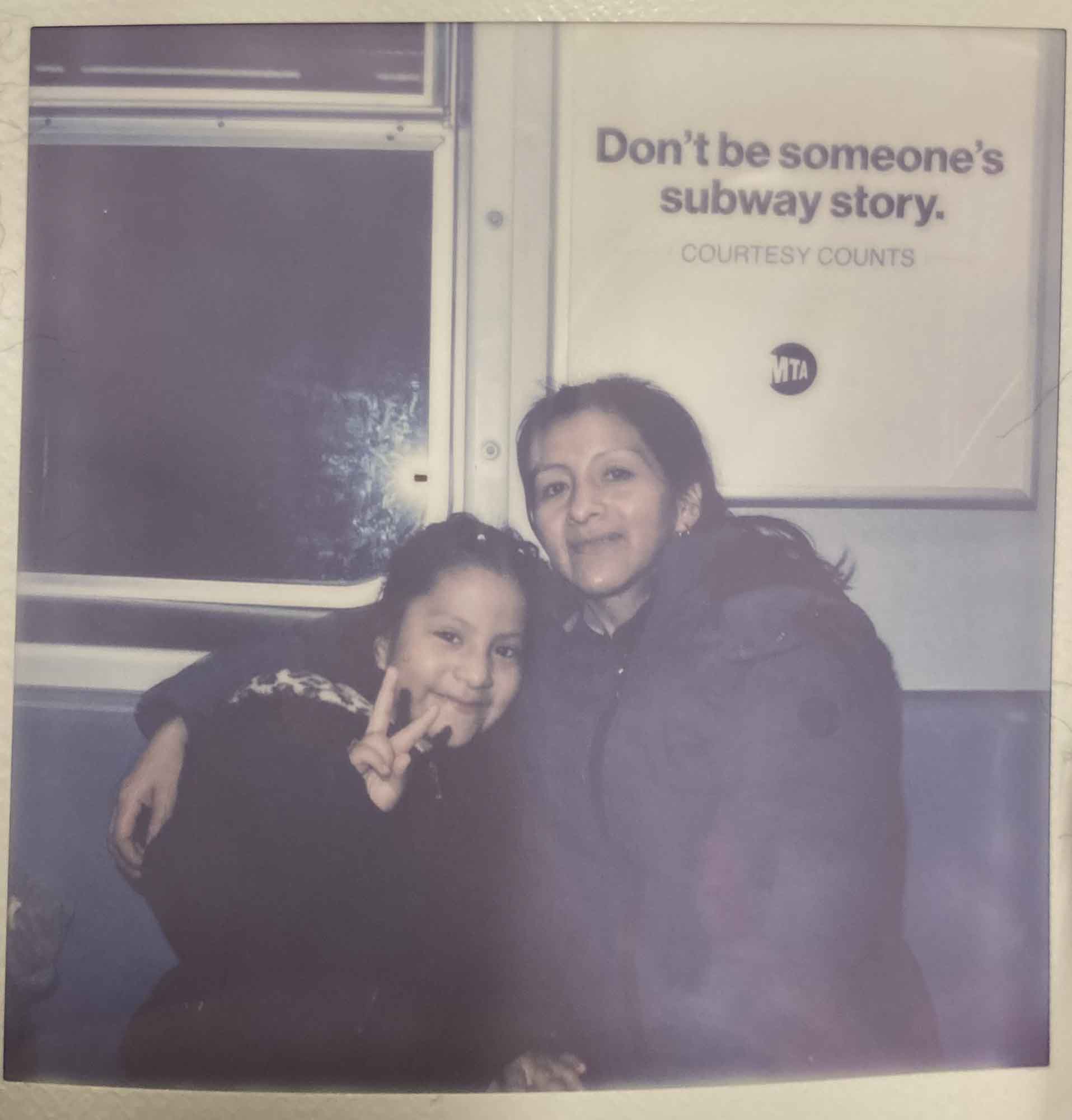
When I came back here, I said, at five o’clock I only have three hours. I start around two, I have to head down. Let’s see what happens. Boom. I found out people still commute, and there are more lines now. But public transportation in America is for poor people. For a lot of homeless people, it’s their refuge. And the LA subway is really gritty.
Are you ever scared?
You know, people are always telling me, ‘Be careful — the camera, the camera.’ But you stand your ground, and people feel your energy. And the toughest guy down there? I’ve already talked to him. (laughs)
Sounds like a good strategy.
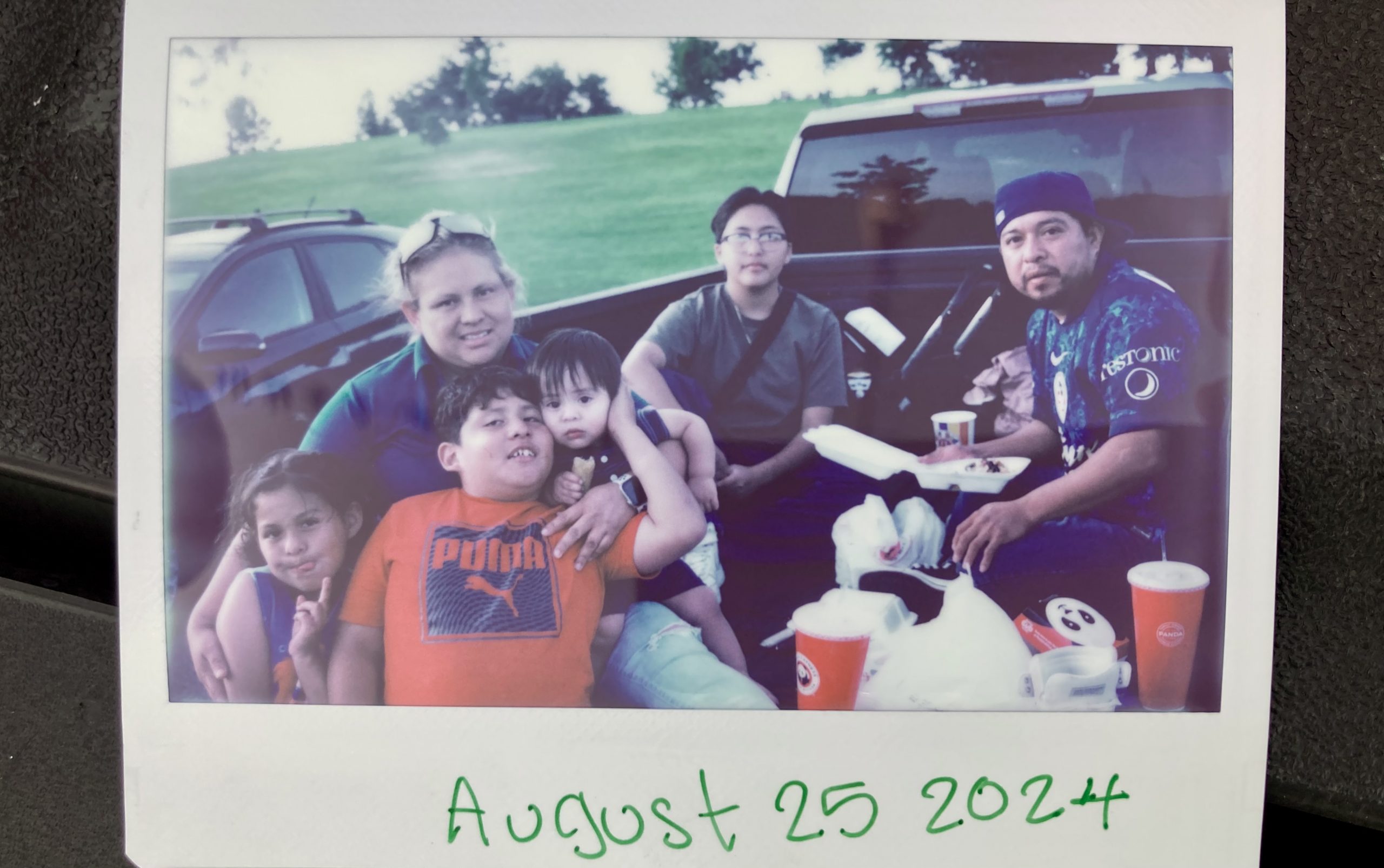
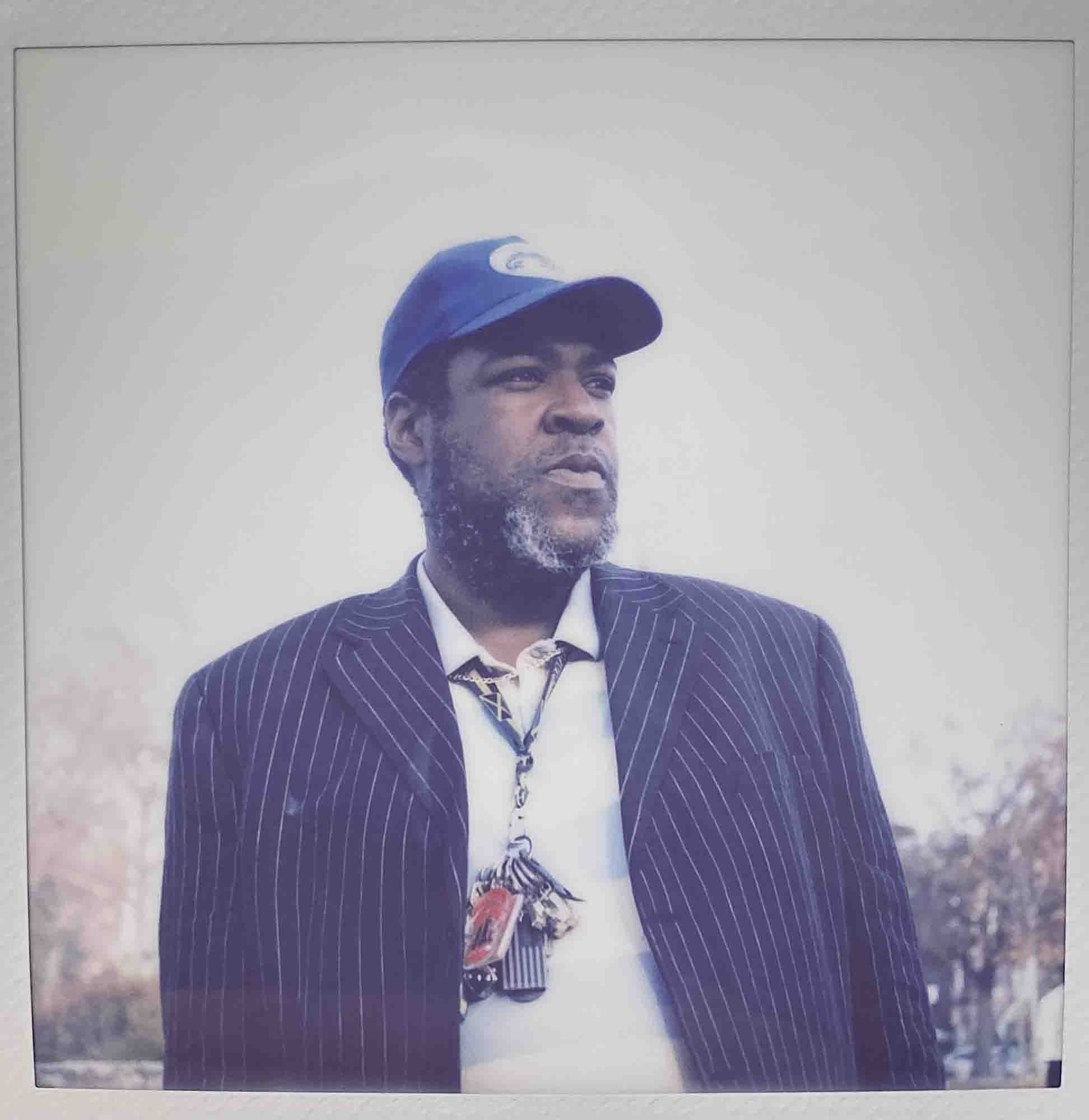
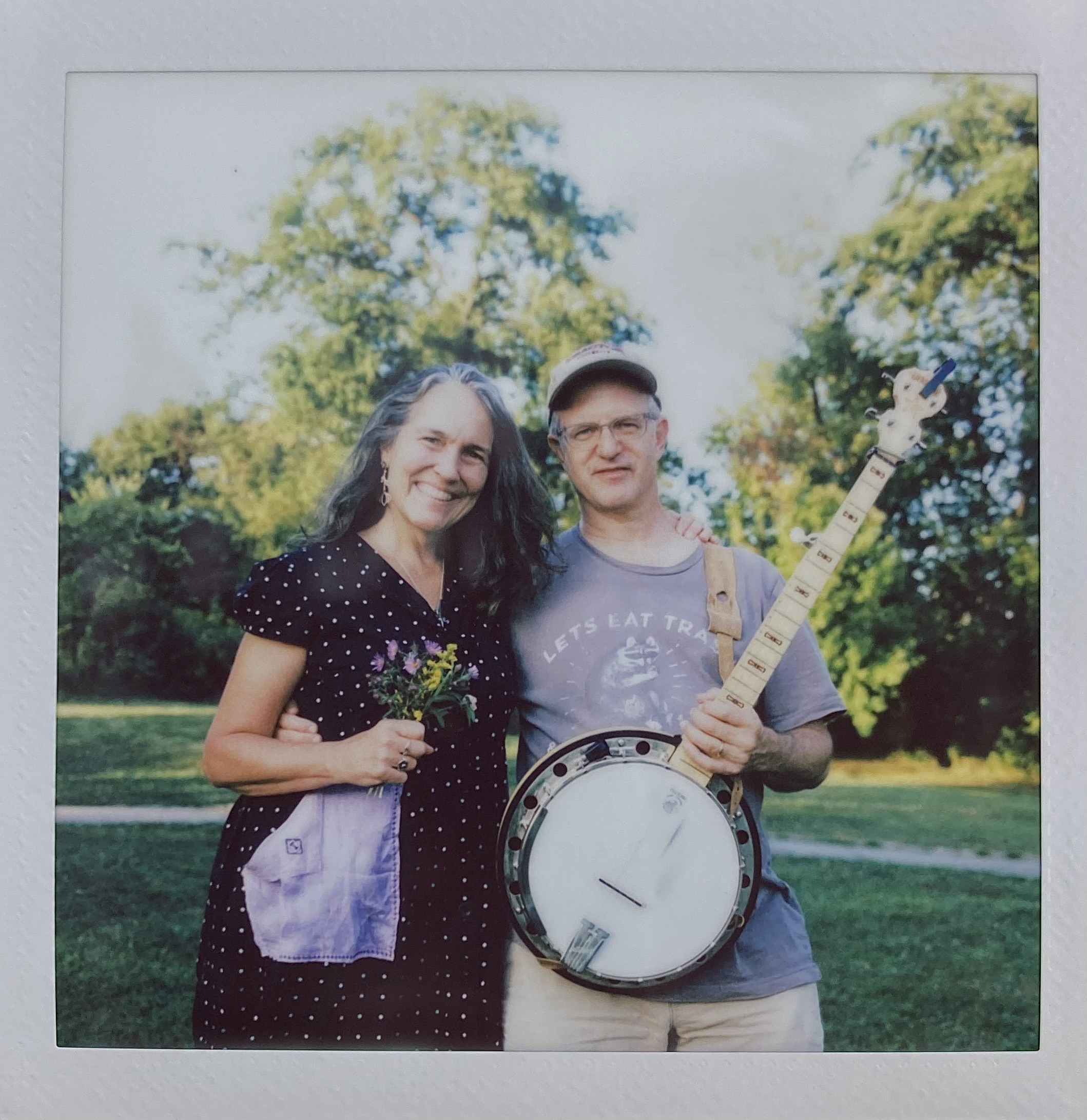
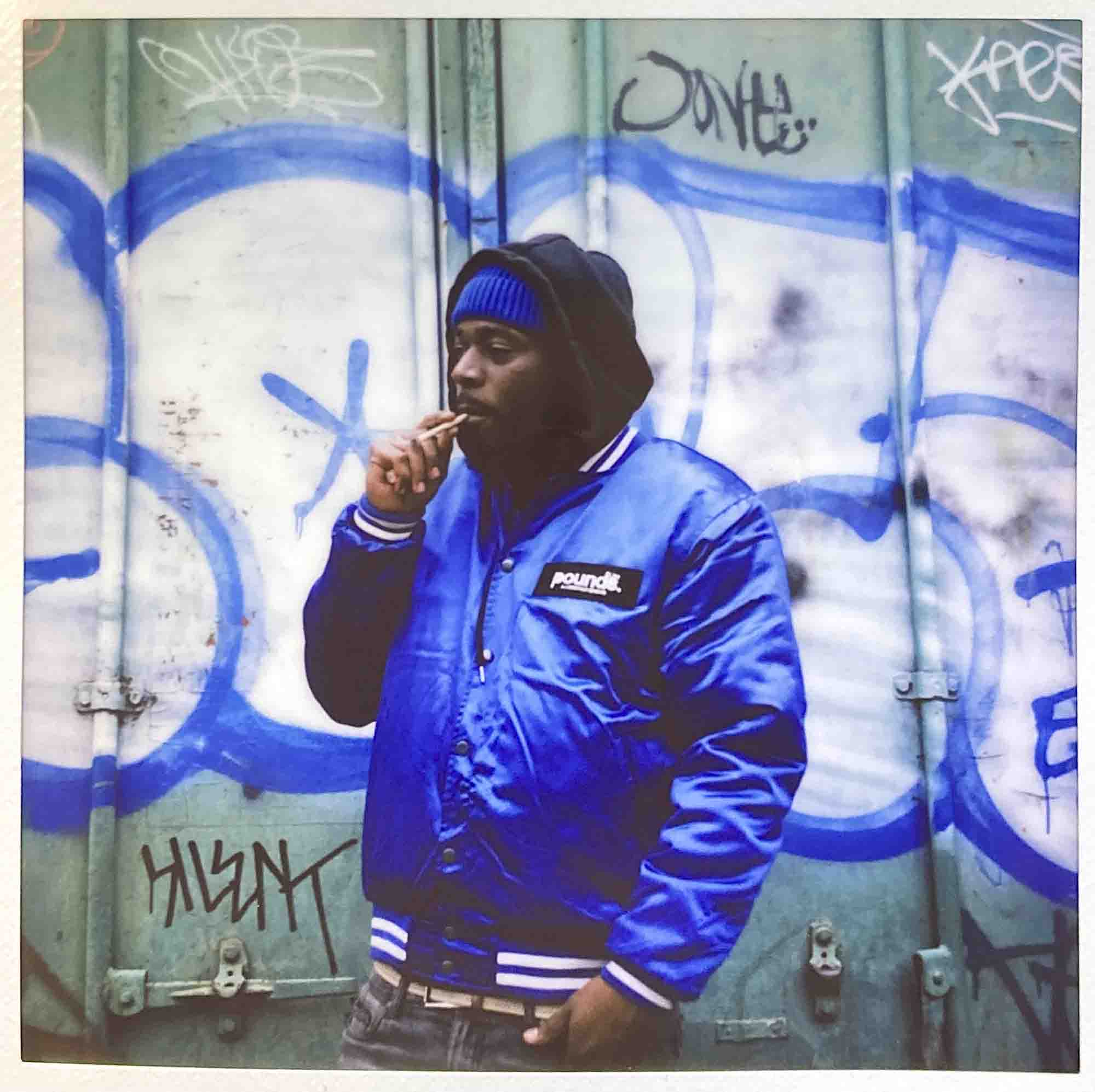
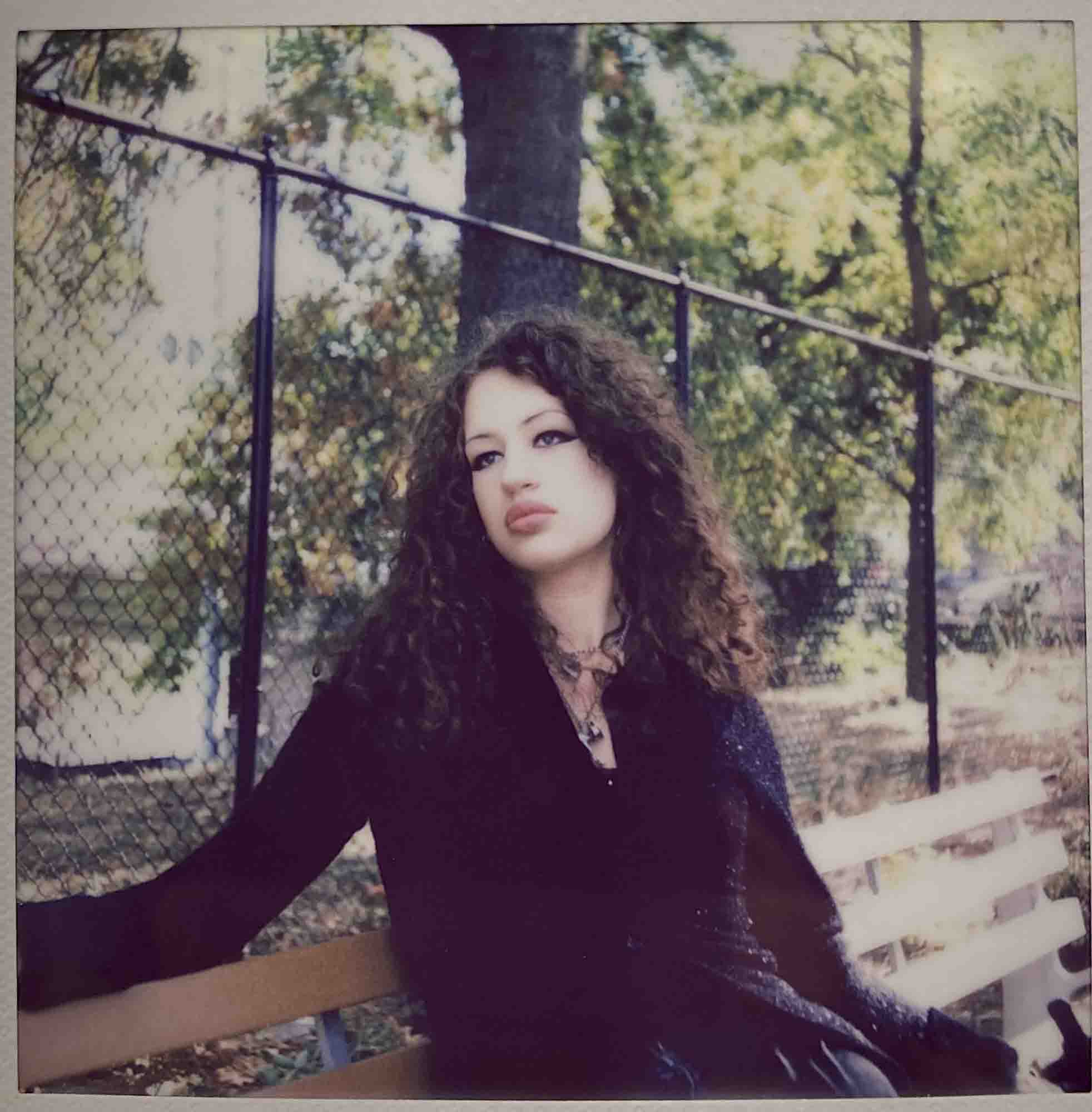
When I went to South Central, I wanted to challenge myself — to offer my services to other communities. Outside the train station, the tough guys are there. So right away I go: ‘Guys, this is what I do. I’m documenting people’s lives through photographs. I take the picture, it comes out right away, a physical copy I give it to you. I’m documenting lives randomly on the streets — a testament, a document that can last a lifetime. It can give emotional richness years from now, found in a box or a book by you or your loved ones. It’s donation-based — give what you can.’
When they hear that, they soften. In those areas, people still give whatever they can. They want a photograph of themselves. Some say, ‘Can you come back when I get my paycheque?’ Sometimes I feel like my photography is… you know… bottom of the barrel. But my photographs go straight onto people’s fridges. I meet them again. People from New York I’ve met again in San Francisco. A guy from Austin I met again in San Francisco. There’s a guy I met here who I photographed in San Francisco. My photographs are inside their wallets. They show me. ‘Hey, you photographed me.’ ‘Where’s the photograph?’ He pulls it out.

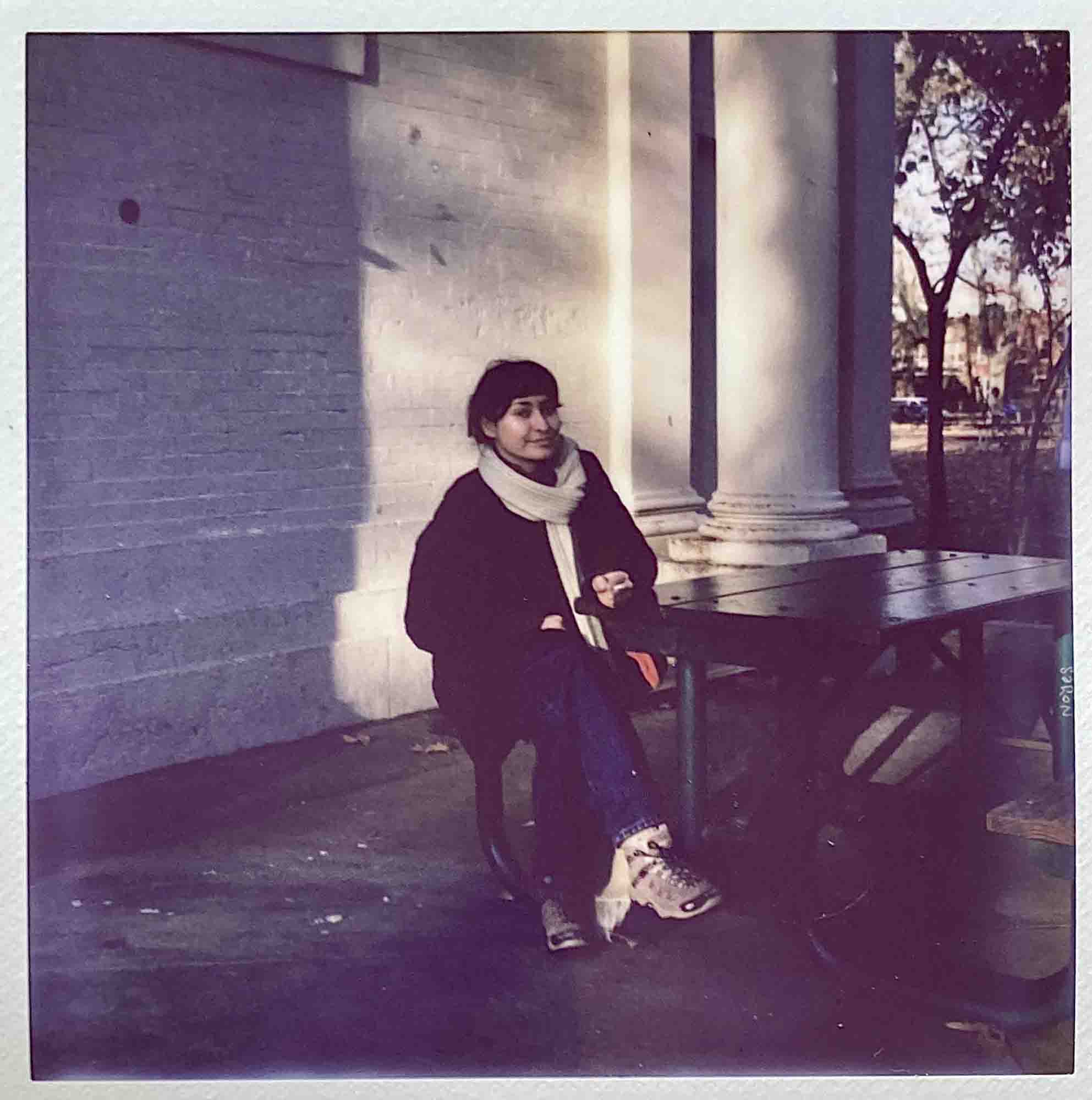
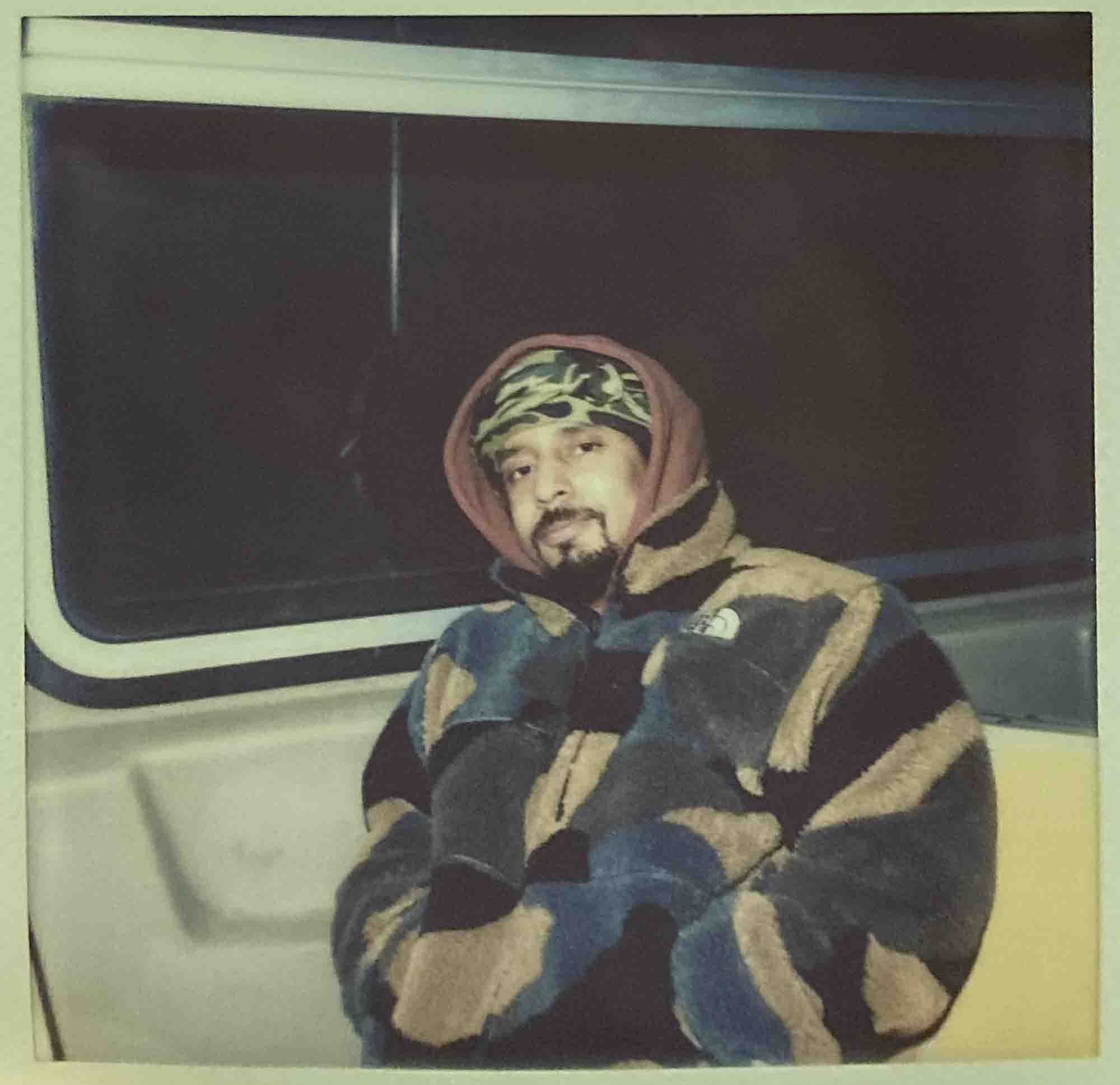
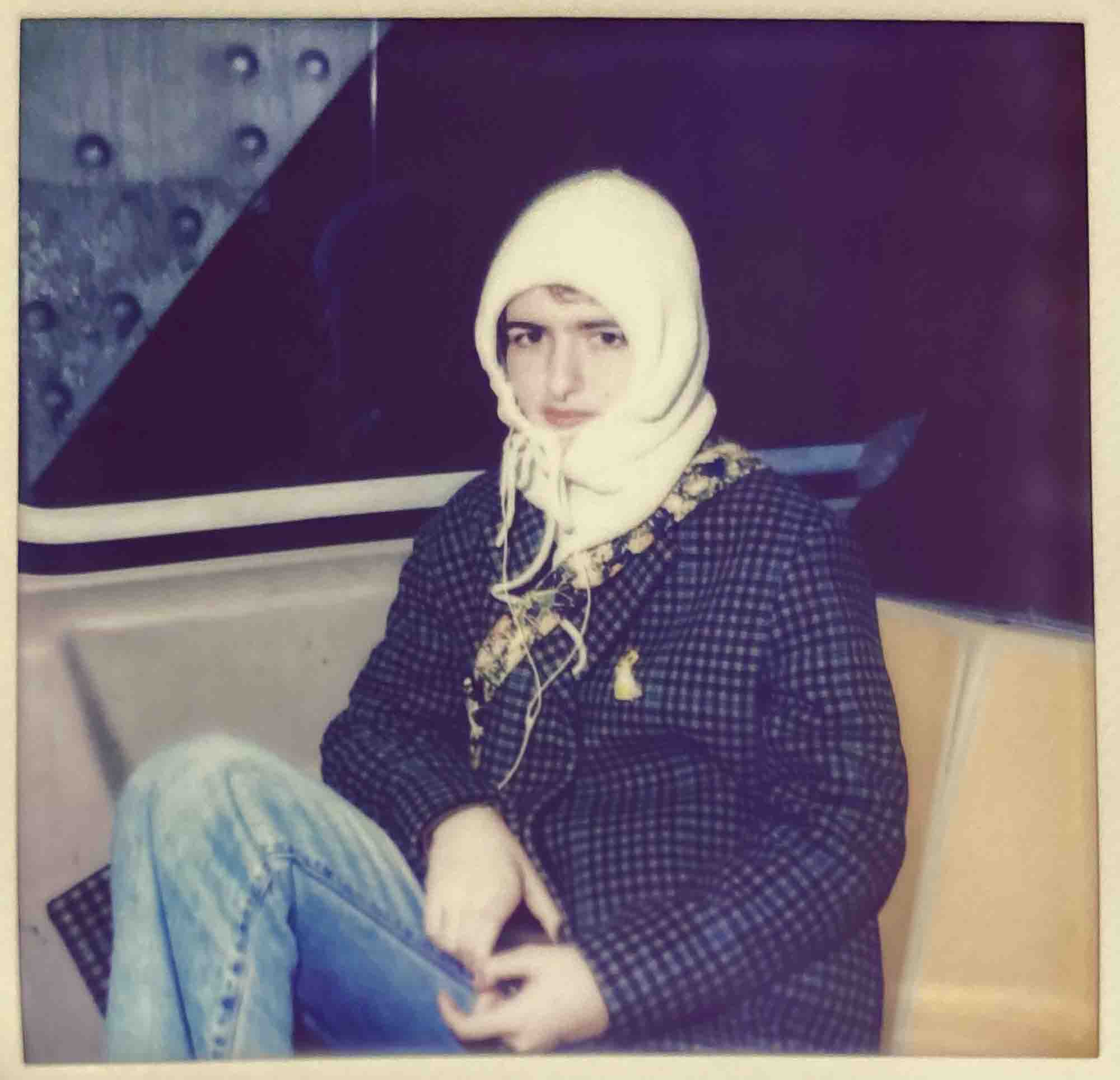
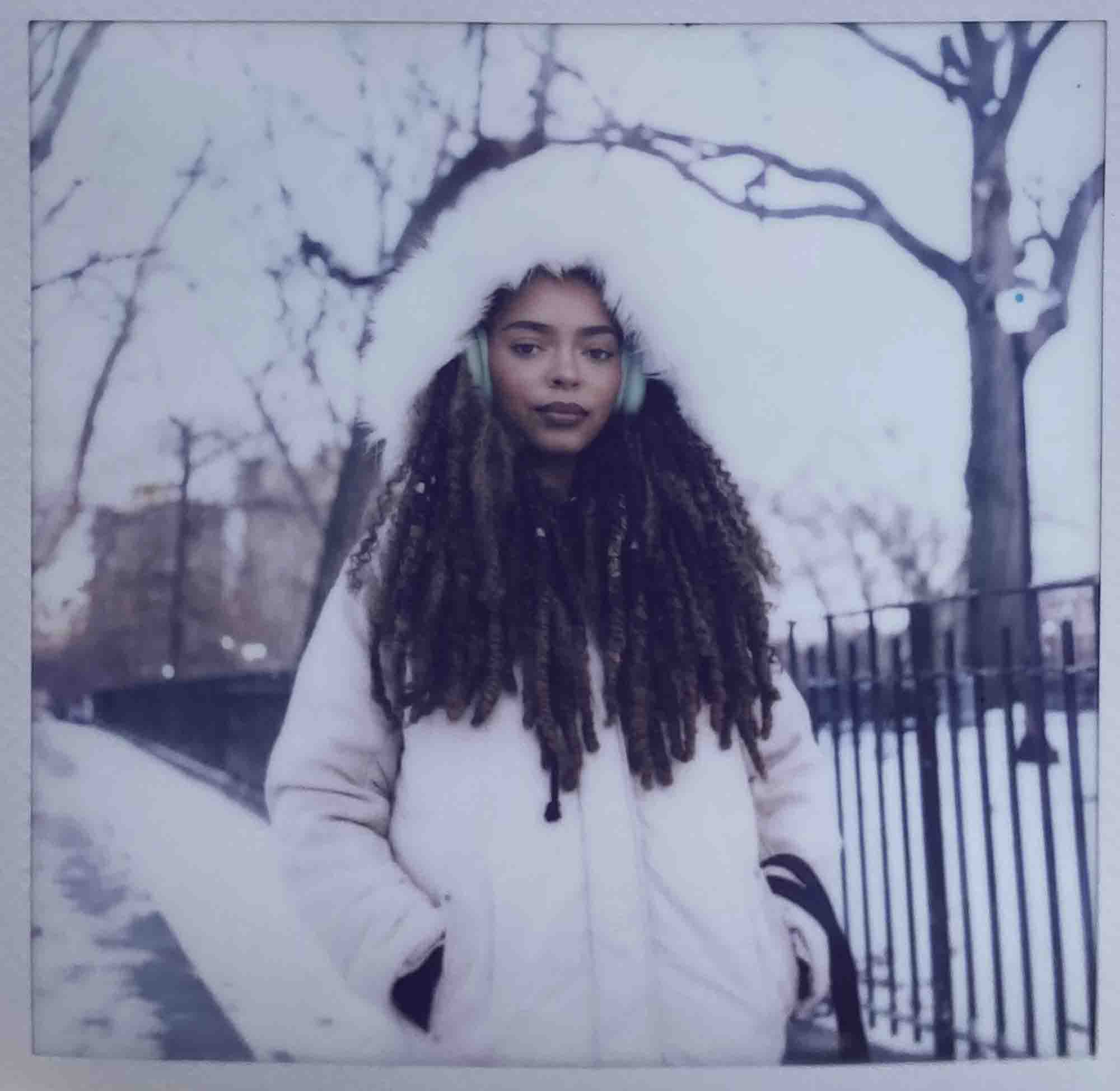
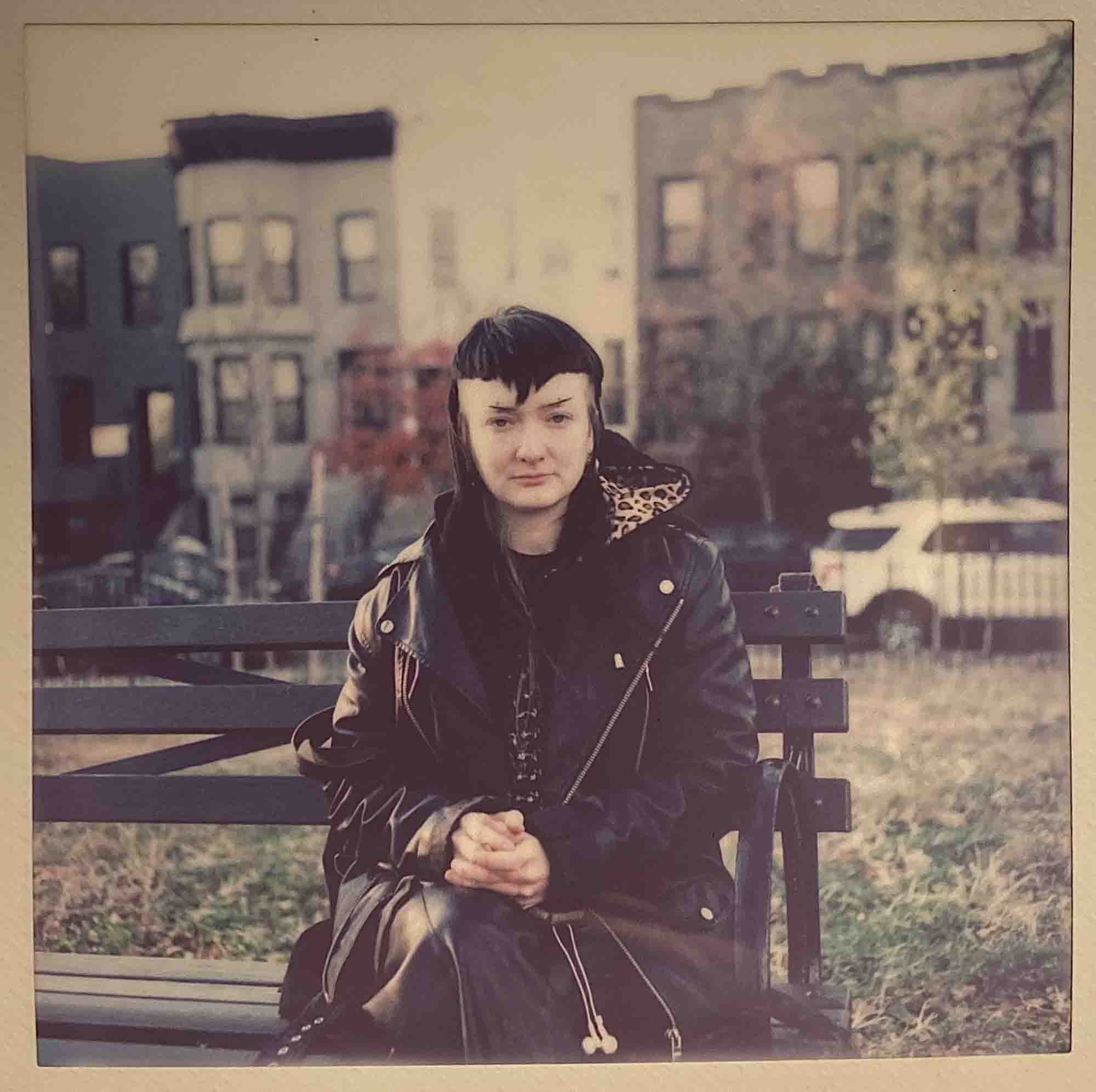
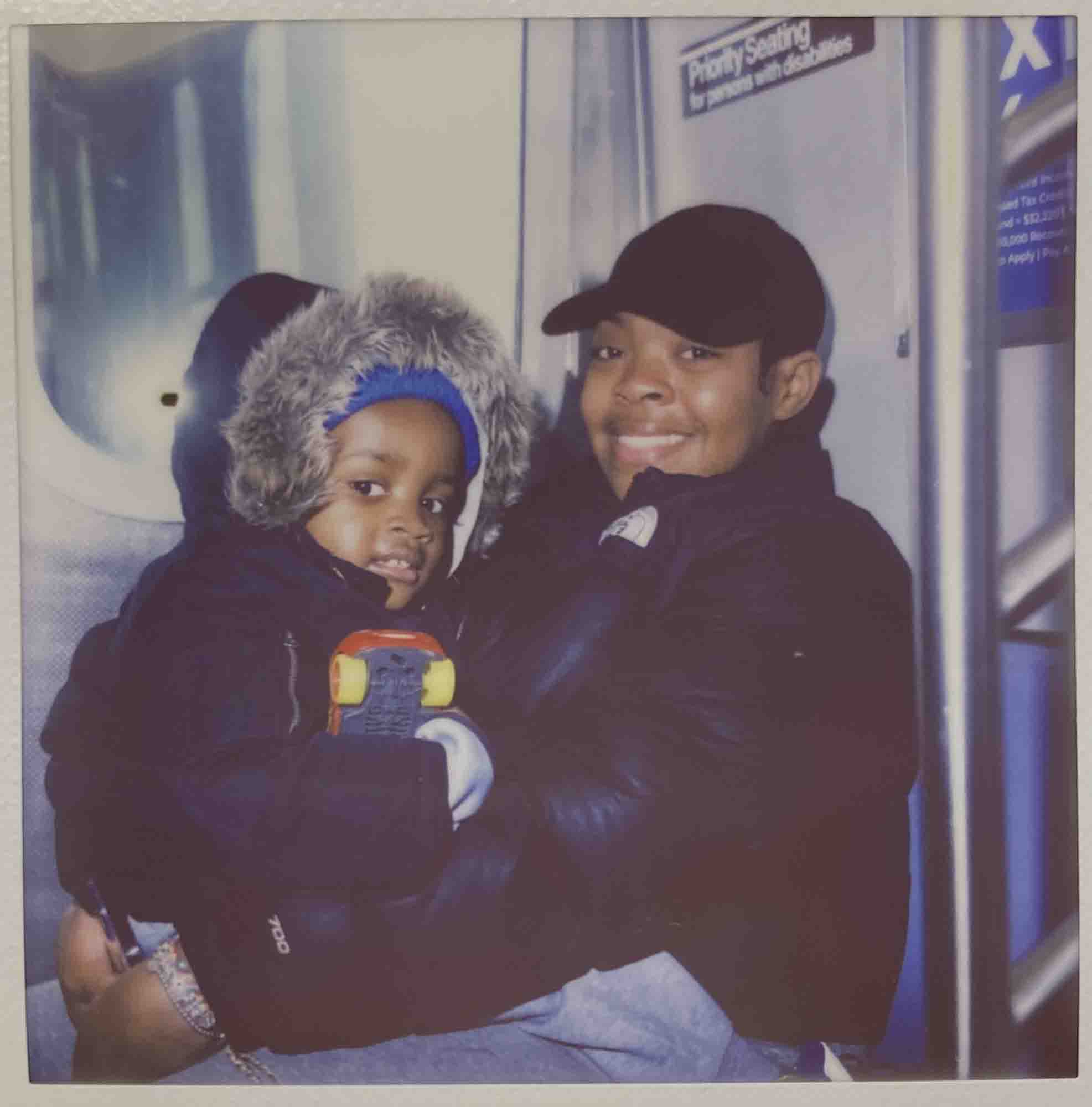
Do you ever question how long you’ll do this, or where you’ll go next? Or do you just take each day as it comes?
I don’t know. I’m living in my van. Tonight I’m going to check into a room, maybe edit some more. I have some stuff I can sell online. I came here to see my daughter for Thanksgiving. I rented an apartment for a week and we hung out. I love cinema. We always watch independent films together. We went to a 70mm screening of Roma by Alfonso Cuarón at the Academy Museum of Motion Pictures.
I love that film.
And it’s only $5, man. You should go before you leave. The sound in there is incredible.
Bulan, I’ll let you get back to work but it’s been an absolute pleasure. Life’s short, and I think you’re doing a beautiful thing.
Thanks man. People seem thankful. Some say, ‘I haven’t spoken to a human being in three days. I live in my condo, my apartment. I work from home.’ Some people just want to be listened to you know? It’s the power of photography, I will not say the power, but the gift of photography, for sure.
I wish you all the best dude. Let me get a portrait before you go.